Worth remembering
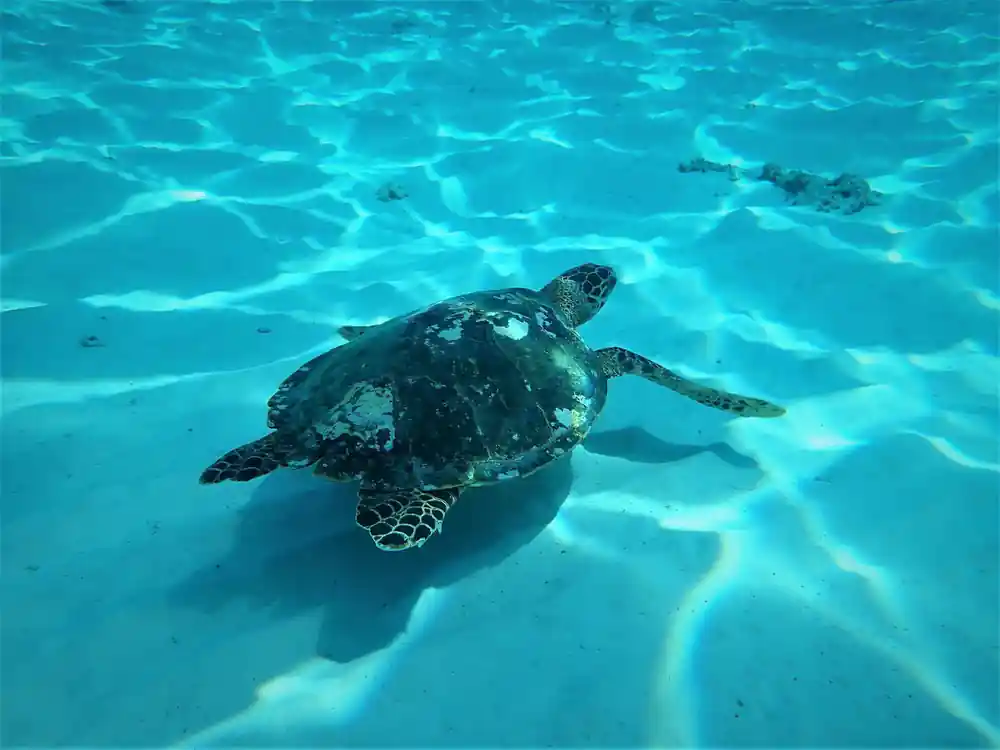
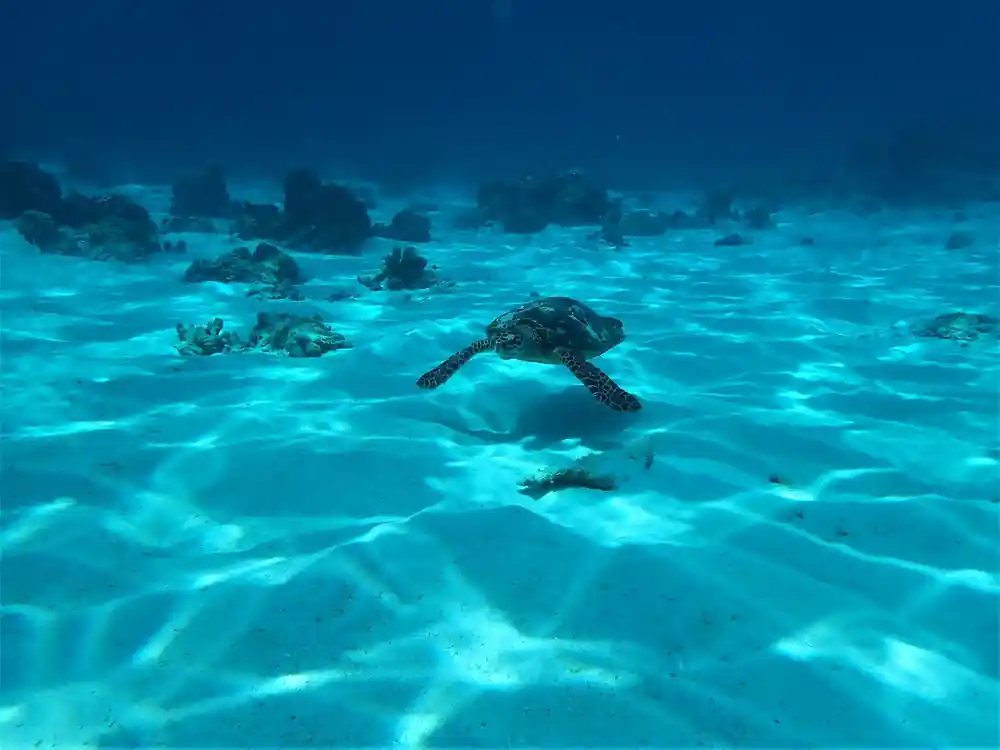
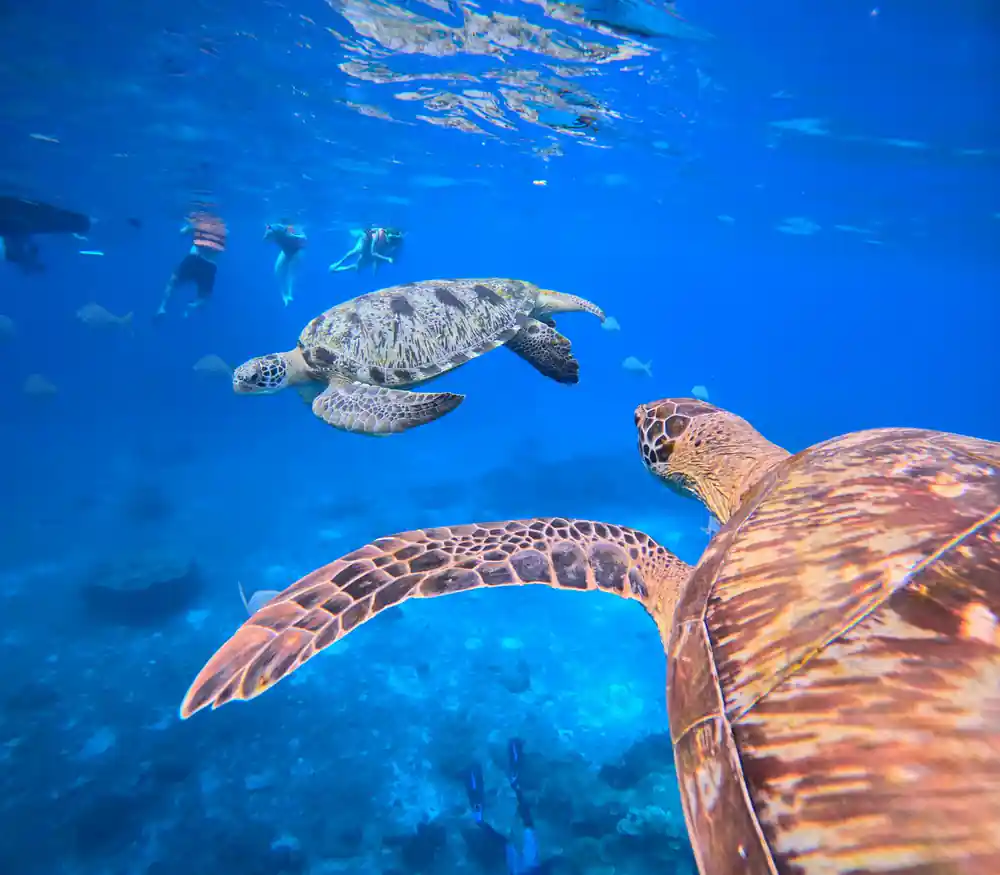
- Green and hawksbill turtles inhabit these waters. Snorkellers regularly spot them grazing on seagrass and coral, especially near Ko Miang.
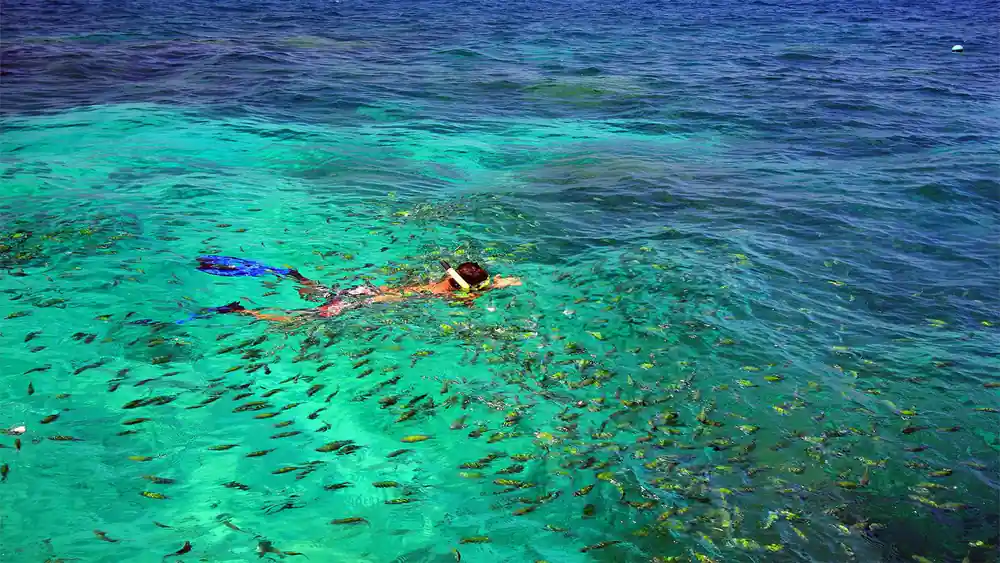
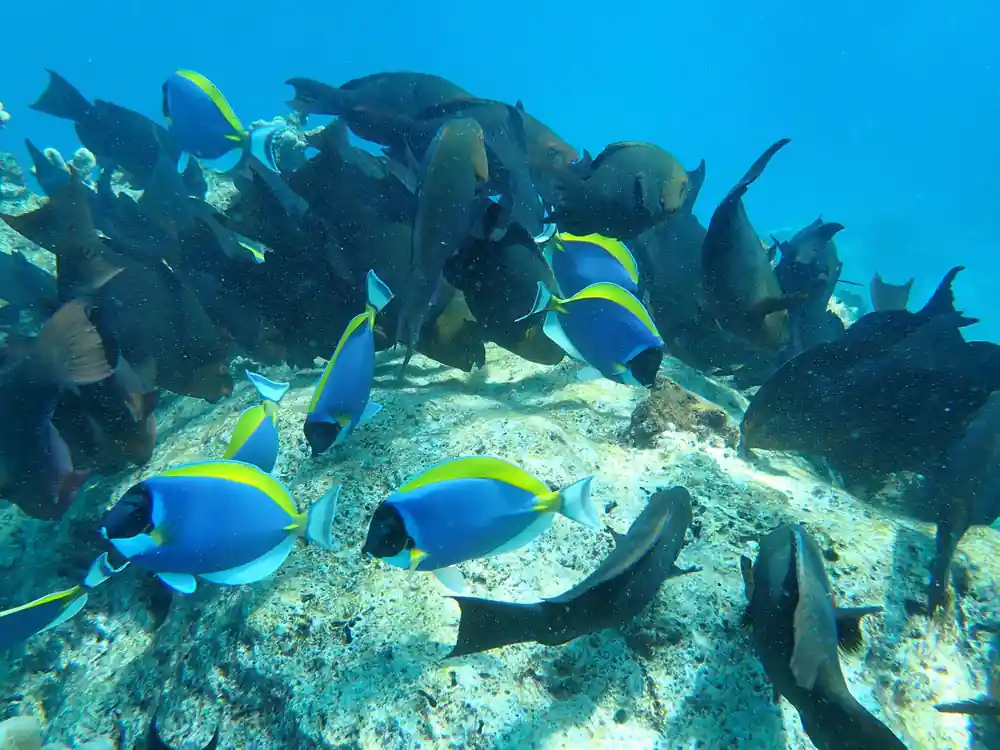
- Parrotfish, surgeonfish, snappers and groupers school around healthy coral formations. These species are commonly seen within arm's reach from the surface.
- Manta rays and whale sharks visit seasonally but are not guaranteed. When present, they appear in deeper waters beyond typical snorkelling depths.
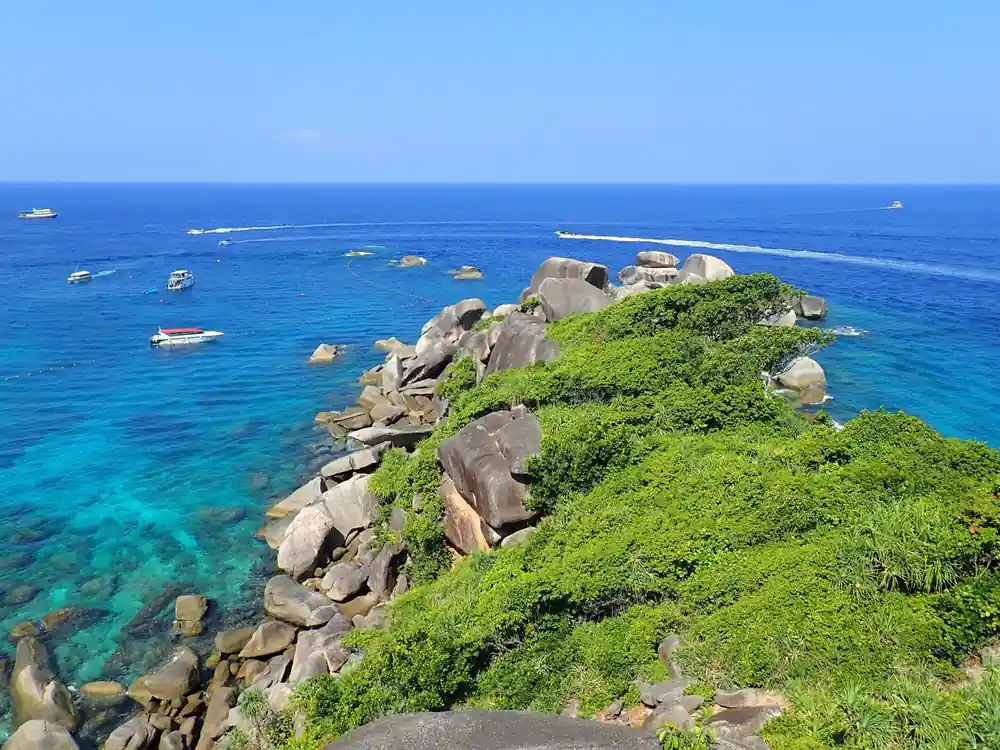
- The Andaman reefs rank globally for biodiversity. Granite boulders, hard corals and soft corals create habitats that support thousands of species year-round.
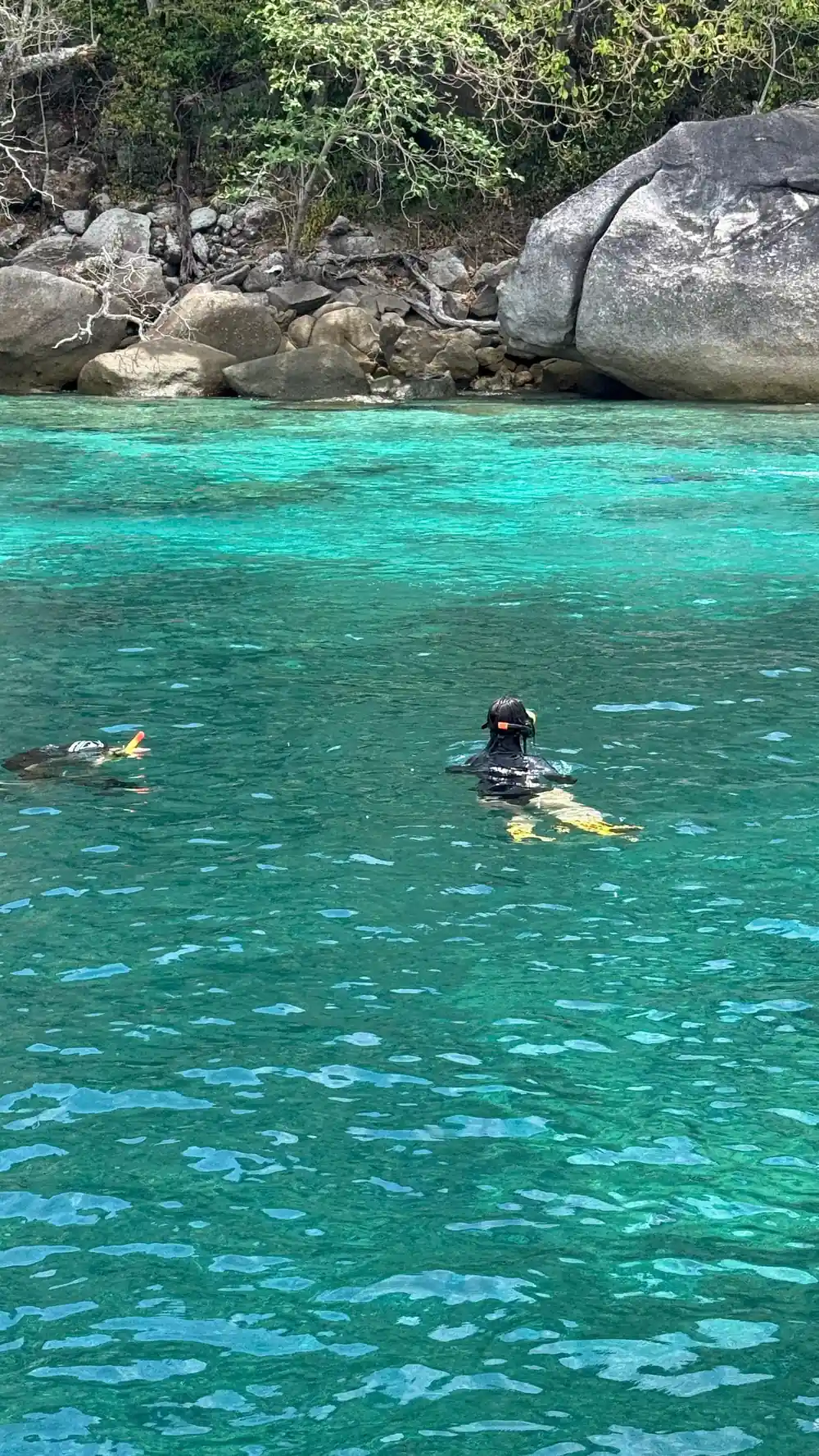
- Snorkellers access the same reef zones as divers but see different life. Expect smaller fish, invertebrates and reef structure rather than large pelagic species.
Sea Turtles of the Similan Islands
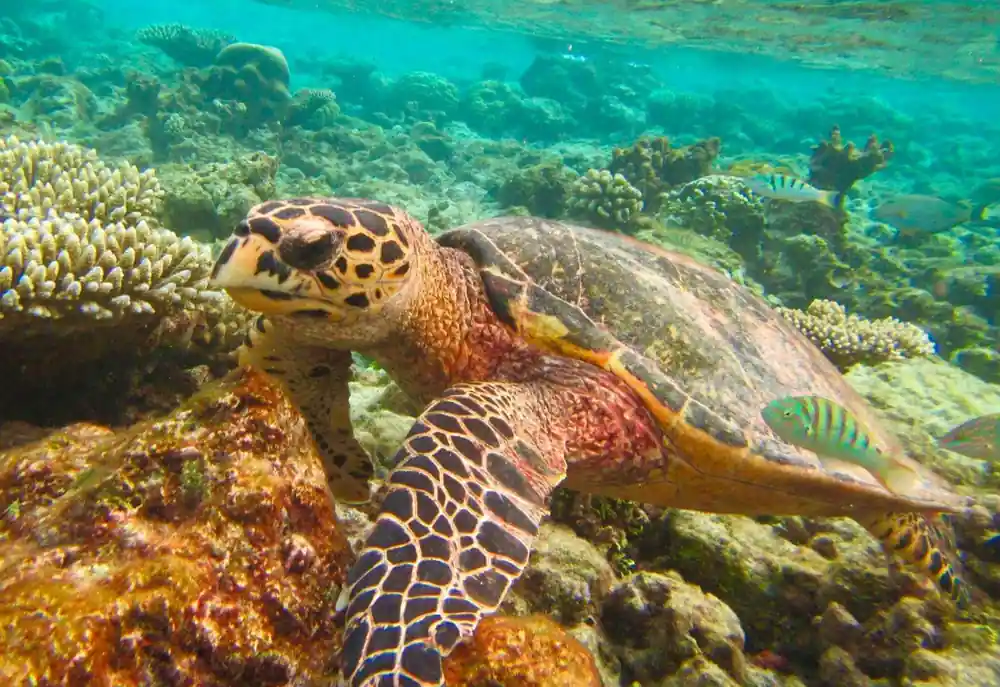
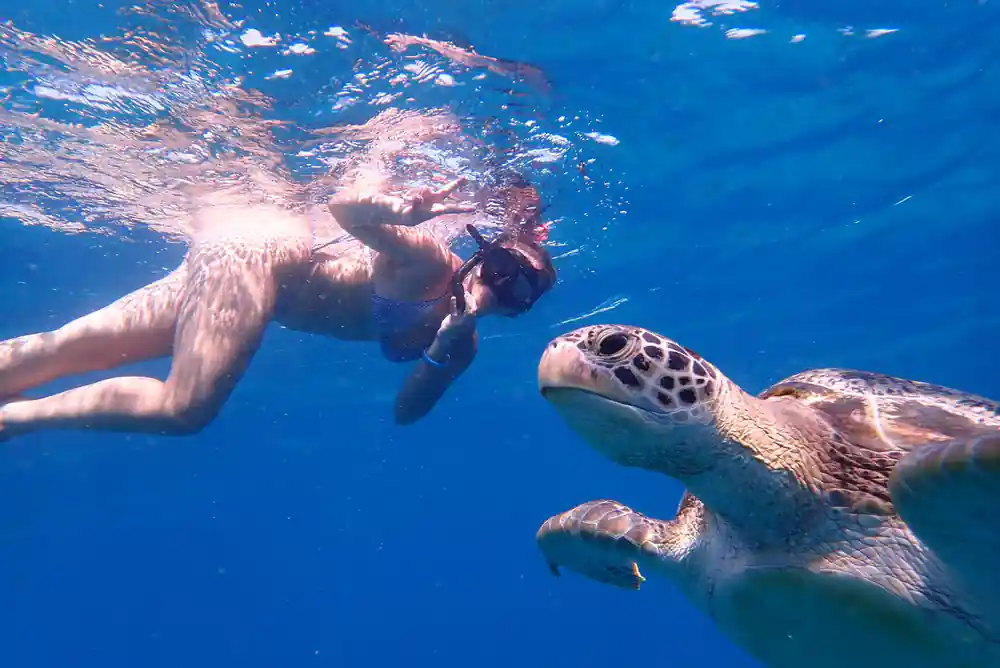
The Similan Islands sit within critical habitat for two turtle species: the hawksbill and the green sea turtle. Both nest on the islands' beaches, and snorkelers working the shallow reefs have a genuine chance of encountering them underwater. Hawksbills, identifiable by their pointed beaks and smaller size (usually 60-90 cm), browse on sponges and hard corals in the reef shallows. Green turtles, larger and with rounded heads, graze on seagrass beds in deeper water. Neither species is aggressive; they tolerate quiet observation at a respectful distance. The park enforces strict nesting-beach closures from November through February to protect eggs and hatchlings, which means certain sections of Ko Miang and other islands may be off-limits depending on the season.
Sightings are not guaranteed on any single visit, but the islands' protected status and the tour's three snorkeling stops increase your odds significantly. Early-morning trips, like this tour's schedule, often find turtles feeding before boat traffic increases. If you spot one, maintain at least two metres distance and never touch or chase the animal. Photography is permitted, but without flash, which disorients the turtles. The park's marine biologists monitor nesting success and hatchling survival rates annually, using data to adjust protection zones as needed.
Reef Fish and Small Marine Life
The reefs around the Similans host over 400 recorded fish species, ranging from finger-sized gobies to metre-long groupers. Snorkelers at the surface will commonly encounter fusiliers (silver schooling fish), emperors, snappers, and parrotfish in dense numbers. Parrotfish, named for their beak-like mouths, actively graze on algae and dead coral, producing the fine white sand that makes these beaches famous. Surgeonfish dart among the corals, their bright yellows and blues unmistakable. Butterflyfish pairs move slowly through branches, hunting small invertebrates, and are often the first sign of a healthy reef. Angelfish, with their disk-shaped bodies and intricate patterns, hide in crevices but emerge for food during calm morning hours.
Smaller creatures equally rewarding to observe include sea urchins, starfish, and countless species of shrimp and crabs that shelter in coral heads and rubble. Nudibranchs (sea slugs) in brilliant colours move across rocks and coral at dawn, though they require close attention to spot. Octopuses, masters of camouflage, occasionally emerge from hiding at dusk. None of these animals are dangerous to respectful snorkelers who avoid touching or standing on coral. The tour's three locations (Donald Duck Bay, the main Similan Islands site, and Ko Miang) each support distinct reef communities based on depth and current patterns, so diversity across the day is substantial.

Large Pelagics: Rays, Sharks, and Open-Water Species
Manta rays and whale sharks are occasionally sighted in Andaman waters, but they are not residents of the Similan shallow reefs; they roam open ocean and move through the region seasonally. Whale sharks, the world's largest fish, appear most often between February and April, and sightings remain uncommon and unpredictable. Manta rays visit during plankton blooms, typically February through May, again without guarantee. Reef sharks, by contrast, are genuinely present year-round. Blacktip and whitetip reef sharks hunt in the shallows and are harmless to humans. Trevally, large silvery predators, sometimes form feeding balls where they hunt smaller fish in coordinated groups, a spectacular natural event if you are positioned to witness it.
The tour's speedboat moves between locations during the day, and guides monitor conditions for signs of pelagic activity (feeding birds, bait-ball behaviour). Although seeing large sharks or mantas would be a memorable highlight, the Similan experience centres on reef ecology and nearshore species. Guides will alert your group to any significant sightings, but do not plan your trip around these unpredictable encounters. The shallow, sheltered bays where most snorkeling occurs are ideal for observing reef sharks and trevally, which are far more reliably seen and equally fascinating to watch.
Coral: The Foundation of Andaman Reefs
The Similan Islands' coral reefs are built by hard corals (stony corals) that form the reef's structural skeleton, and soft corals that branch and sway with currents. Hard corals include staghorn, table, branching, and massive boulder forms, each providing shelter and food for different fish communities. Staghorn corals, resembling elk antlers, grow quickly and create dense habitat but are vulnerable to damage. Boulder corals, some centuries old, form the reef's oldest structure. Soft corals, which lack a rigid skeleton, bend with water movement and create a more graceful appearance. The shallow reefs at 3-8 metres depth around Ko Miang support high coral diversity because sunlight penetrates efficiently and wave energy remains moderate. Deeper reefs around 15-20 metres host shade-adapted species but less overall coral biomass.
Coral polyps are tiny animals living inside the skeleton; they absorb light and nutrients through a symbiotic relationship with zooxanthellae (photosynthetic algae). This partnership means corals depend on clear, sunlit water and specific temperature ranges. The Andaman Sea's winter season (November to February) brings cooler water (25-27°C) and low rainfall, creating the clearest conditions; this is why the tour operates as an early-bird schedule even year-round. Coral bleaching, a stress response triggered by sustained temperature spikes, has affected Andaman reefs during isolated years but has not caused the catastrophic die-offs seen in other regions, partly because of the park's strict protection framework.
850
The Similan reefs support over 850 recorded fish species, making these waters among Earth's most biodiverse coral ecosystems.
Why the Andaman Sea Supports Exceptional Reef Health
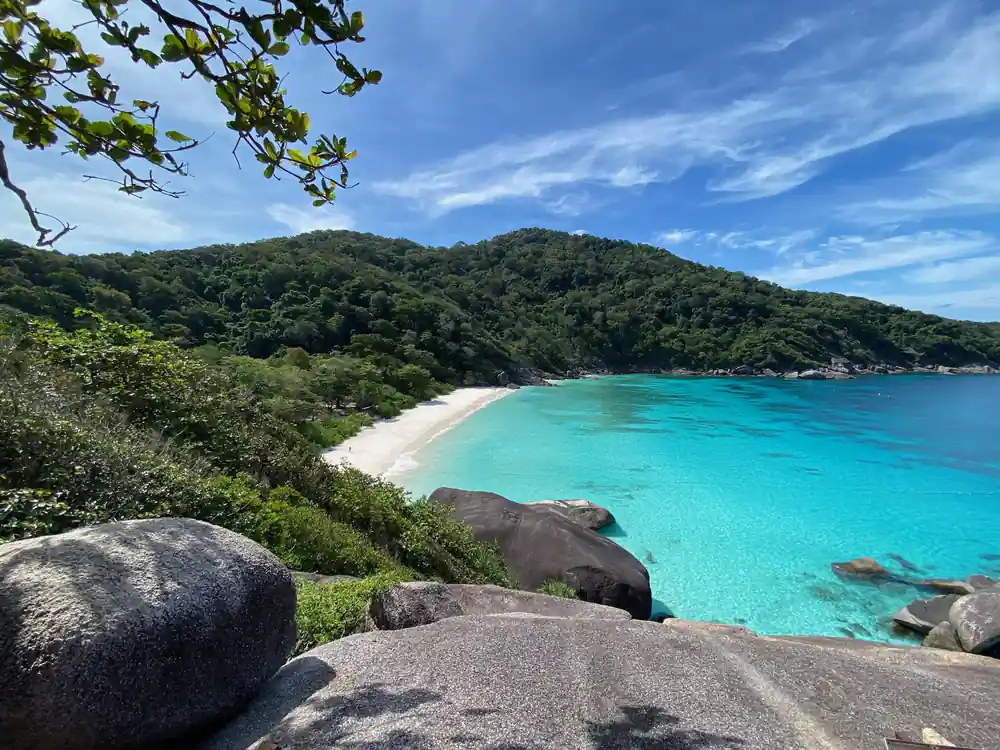
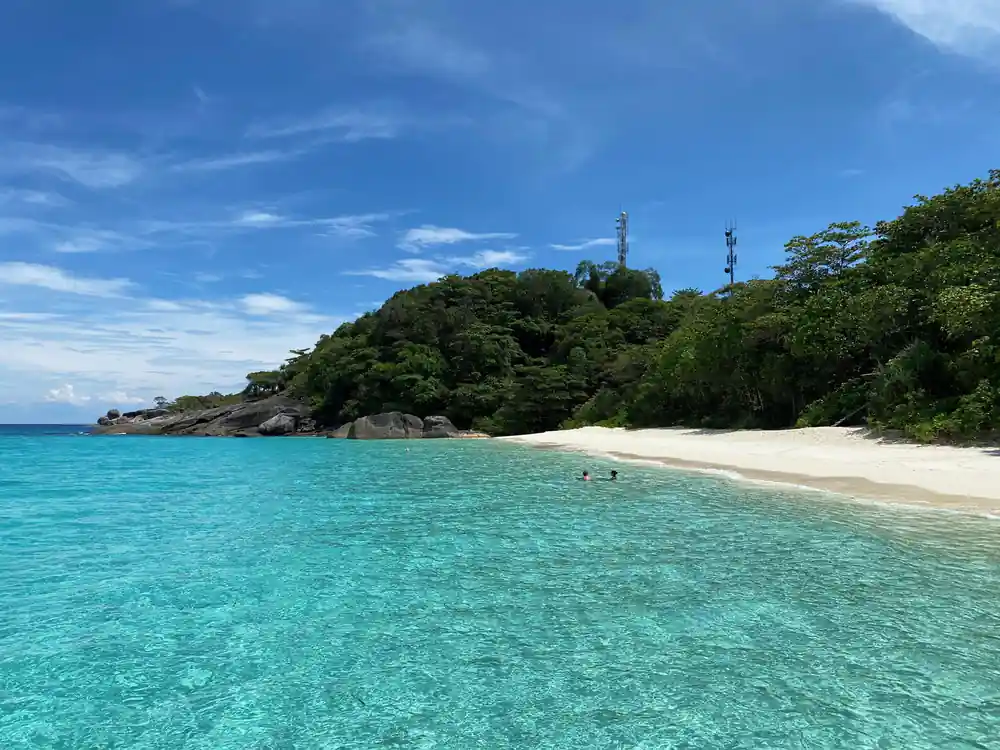
The Andaman Sea's reefs rank globally because of three converging factors: geography, oceanography, and protection. Geographically, the Similan Islands sit at the convergence of monsoon-driven currents and the Andaman basin, creating nutrient-rich upwelling during certain seasons. These nutrients fuel both coral growth and fish productivity without causing the algal overgrowth that smothers reefs in other regions. Oceanographically, the islands are far enough from major river deltas and cities to escape siltation and pollution; the nearest significant river, the Thalang, is over 50 kilometres away. Water clarity typically exceeds 20 metres in the dry season. Depth variation around the islands creates distinct reef zones, each supporting different species and increasing overall biodiversity. The Andaman basin's continental shelf drops steeply beyond the islands, so coastal runoff and agricultural sediment bypass the reefs entirely.
Protection is the third pillar. The Similan Islands National Marine Park, established in 1982, enforces a no-fishing boundary around the islands and restricts human activity through zoning rules. Commercial fishing is prohibited; only licensed tour operators may visit. Anchoring is restricted to designated buoys, preventing anchor damage. Visitor numbers per day per site are capped informally to prevent overcrowding. These rules, combined with the islands' remoteness, create a de facto marine reserve where fish populations thrive, predators remain present, and coral recruits successfully settle. Comparative studies show that protected Andaman reefs support higher fish biomass and coral cover than unprotected areas just 20 kilometres away.
Reef Health Today and Conservation Challenges
As of recent surveys, the Similan Islands' main reef sites maintain 35-50 percent live coral cover, a level considered healthy for Southeast Asia, though below the 50-75 percent seen in pristine Indo-Pacific reefs. Fish populations remain robust, with apex predators (groupers, snappers, sharks) present in numbers that indicate recovery from historical overfishing. Recruitment of juvenile corals and fish is ongoing, suggesting reefs are not in terminal decline. However, the reefs face cumulative stress: ocean warming, which has triggered minor bleaching events in 2016 and 2020; occasional siltation during extreme monsoon years; and physical damage from tourist boats and anchors in earlier decades before strict mooring rules. The park's current regulations have arrested decline, but reversing climate warming requires global action beyond local protection.
Coral disease and crown-of-thorns starfish outbreaks, seen in some Andaman locations, have not severely impacted the Similans, likely because of active monitoring and rapid response protocols. The park employs trained rangers who patrol reefs, remove damaged coral for research, and report disease or pest outbreaks. Artificial reef modules have been placed at high-traffic sites to absorb diver impact and provide settlement substrate for corals and fish. For visitors, this means snorkeling in a reef that is actively monitored and managed, not a pristine wilderness, but a genuine conservation success where human use and ecosystem health are being balanced in real time.
Park Rules and What They Mean for Your Experience
The Similan Islands National Marine Park's regulations are designed to sustain the reefs while allowing tourism. Key rules include: no collection of shells, corals, or marine life; no touching or standing on coral; no feeding fish; no fishing; and no anchoring outside designated buoys. Sunscreen must be reef-safe (zinc oxide or titanium dioxide formulations), as oxybenzone and octinoxate damage zooxanthellae; sunblock containing these chemicals is prohibited. Guides brief all visitors on these rules before entering the water. Designated snorkeling zones keep swimmers away from sensitive areas and nesting beaches. Boat speeds in shallow water are capped, and no-wake zones protect reef-edge habitats from prop damage. These rules are enforced by park rangers and tour operator staff; violations can result in fines or tour termination.
For you as a snorkeler, these restrictions create a more rewarding experience. Healthy reefs support higher fish density and more active predator-prey interactions than degraded ones. Designated zones concentrate visitors, allowing some areas to recover undisturbed. Reef-safe sunscreen prevents the subtle toxicity that degrades coral resilience over years. Early-morning timing, as this tour operates, ensures minimal boat congestion and allows you to observe fish behaviour during feeding peaks, when reefs are most visually dramatic. By following park guidelines, you become part of the conservation strategy rather than a detractor from it. The three snorkeling stops, spread across 13 hours, give the reefs time to settle between groups, reducing cumulative disturbance and maximising your chances of encountering alert, naturally behaving marine life.
See More Reef Life: Start Before the Crowds
from US$123Reserve now & pay later
Quick answers
What turtle species swim near Similan Islands?
Which reef fish will I see while snorkeling?
Do manta rays visit the Similan Islands?
Are whale sharks ever seen here?
Why are Similan reefs so biologically rich?
What is the current health of these coral reefs?
Can I see marine life without diving deep?
What animals live on the islands themselves?
Why rank Similan among world-class reef destinations?
How does the national park protect its reefs?
-

★★★★★
The sea turtles were right beneath us. Saw three different ones gliding through crystal water.
 Hannah W.
-
★★★★★
Coral colours were stunning. Yellows, purples, oranges everywhere. Never expected such variety.
 Louise T.
-
★★★★★
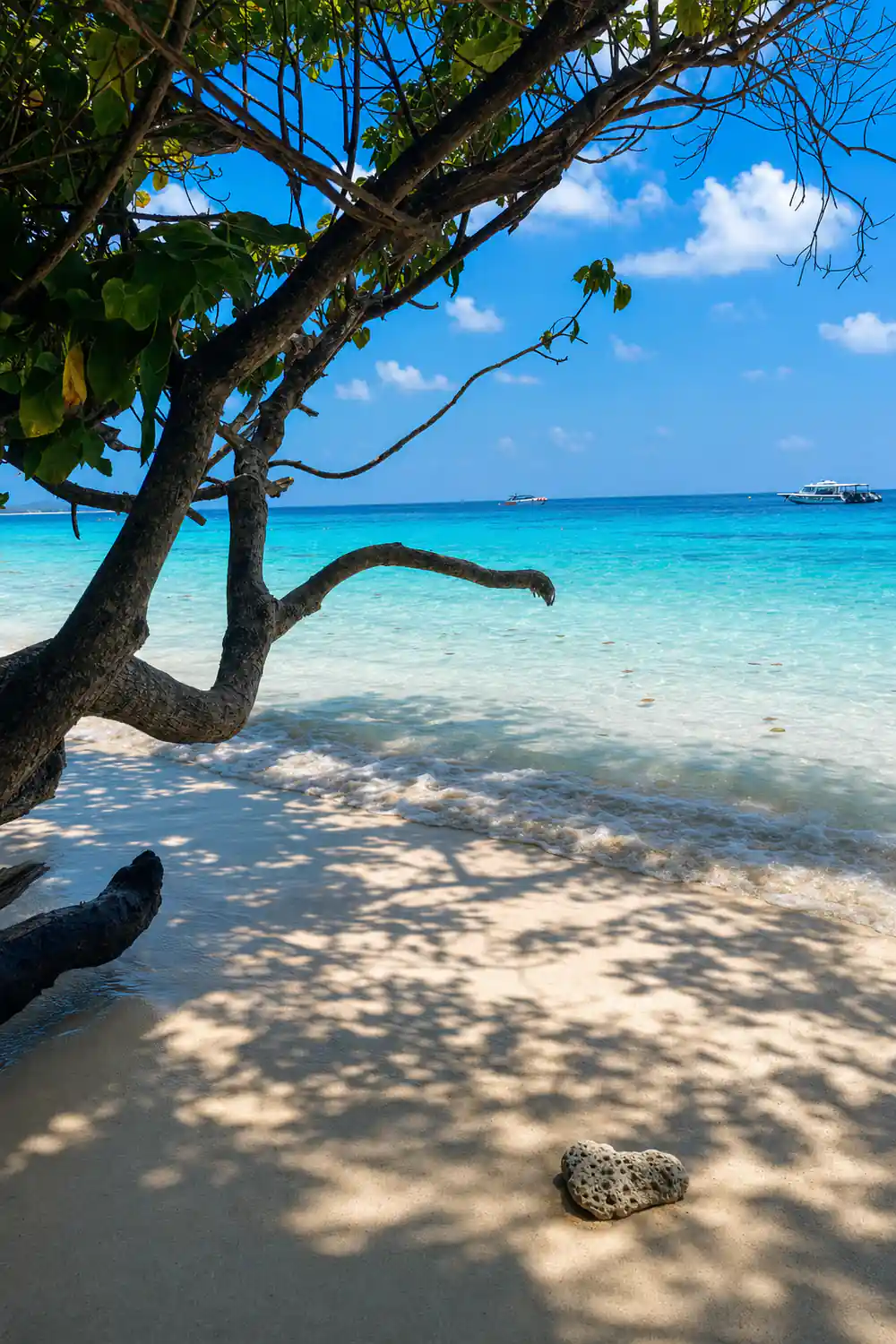
Fish in shoals so thick we could barely see through them. Absolutely mesmerizing experience.
 Freya S.
-
★★★★★
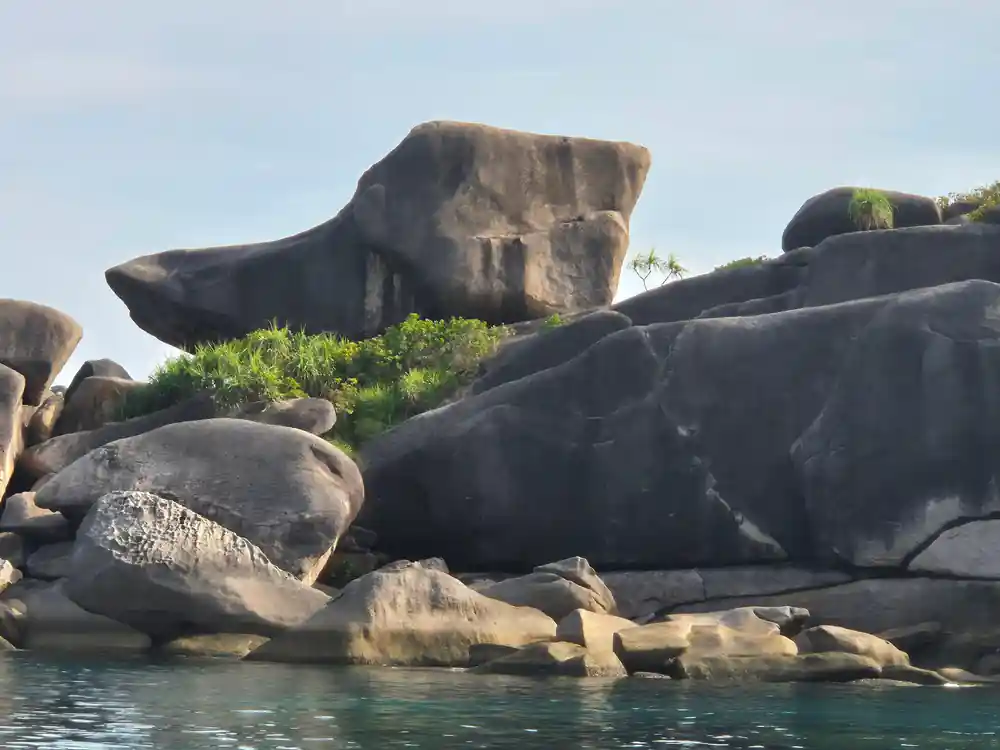
Water clarity was exceptional. Could see the reef floor from the surface no problem.
 Andrea S.
-
★★★★★
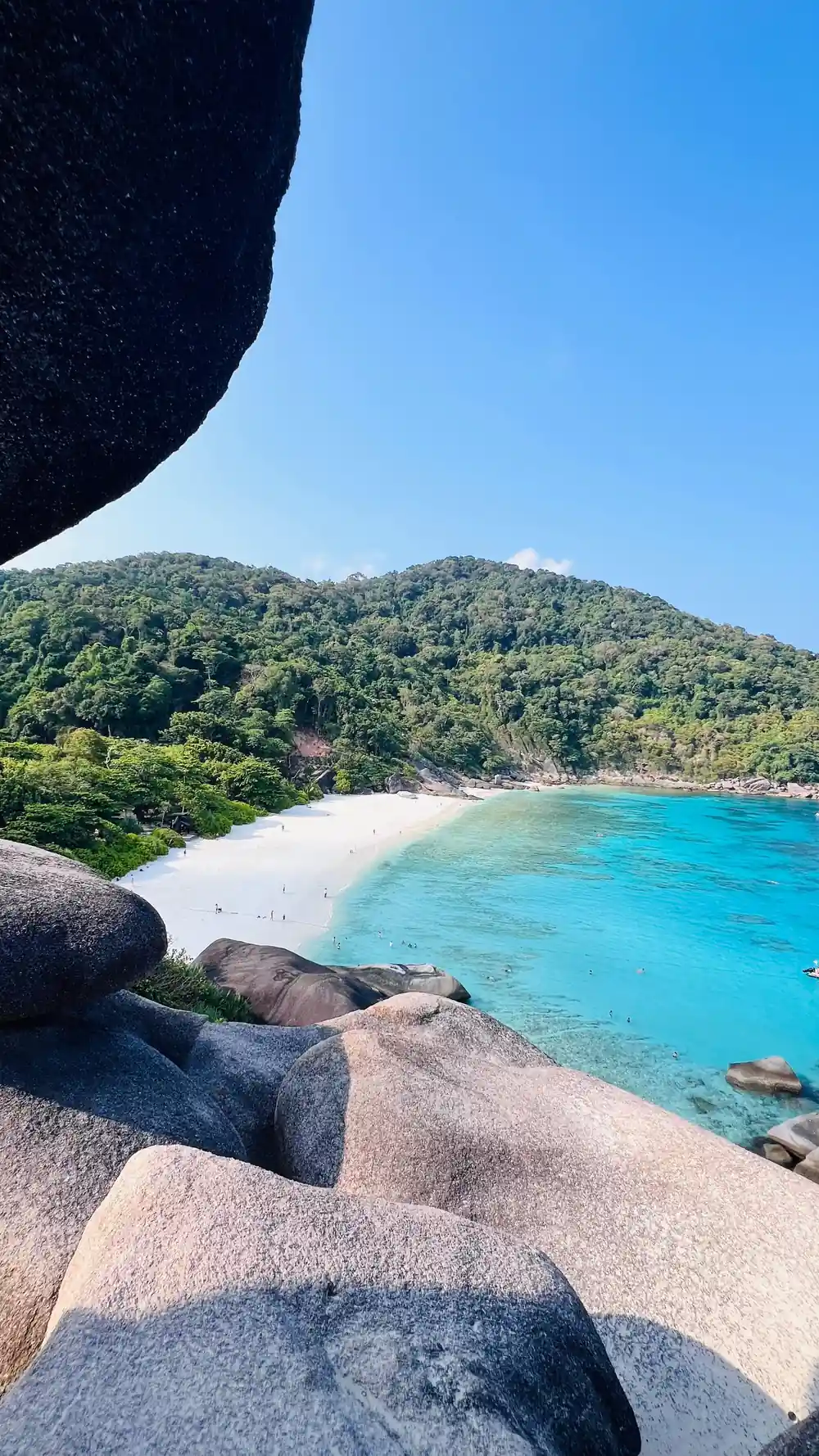
Spotted a green turtle feeding on the reef. Our guide knew exactly where to look.
 Uwe T.
-
★★★★★
The coral health here is visibly better than other islands we've visited in Thailand.
 Susanne S.
-
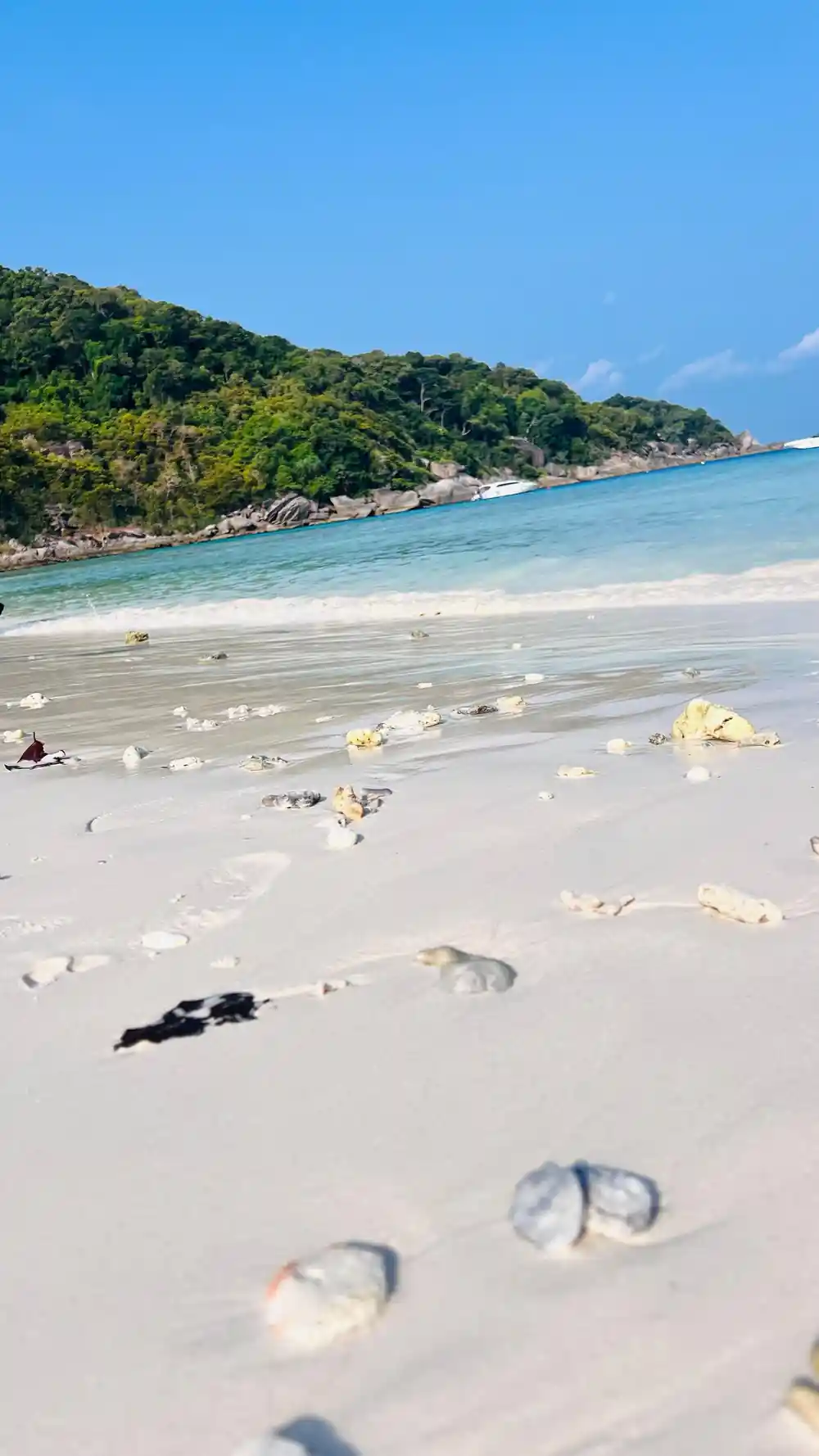
★★★★★
Massive schools of snappers and barracuda. The biodiversity is genuinely world-class.
 Elena S.
-
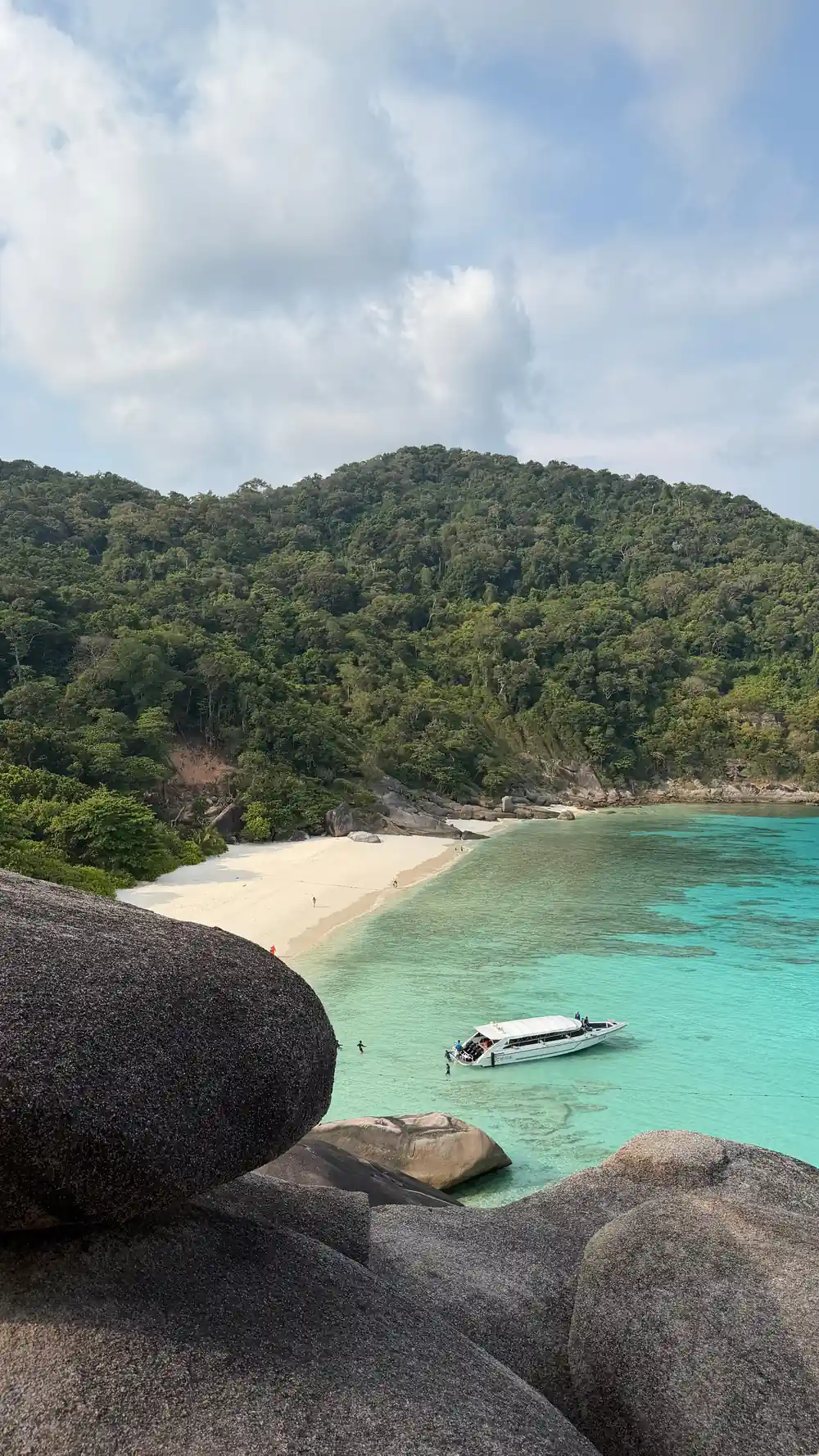
★★★★★
Breakfast on the beach, then straight into the water. Saw turtles within minutes.
 Ana B.
-
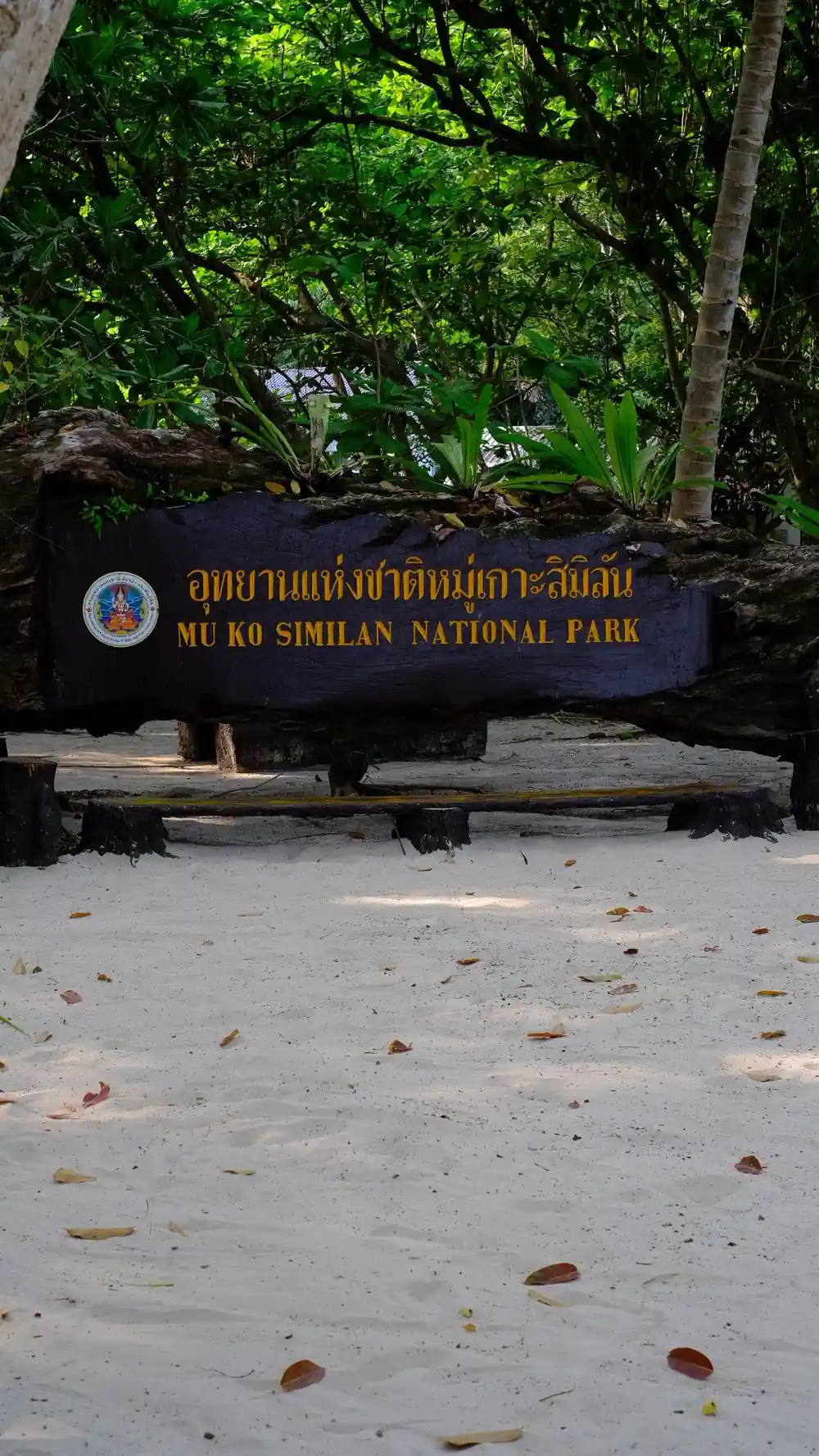
★★★★★
The reefs here are thriving. Healthy coral and fish populations everywhere we snorkelled.
 David P.
-
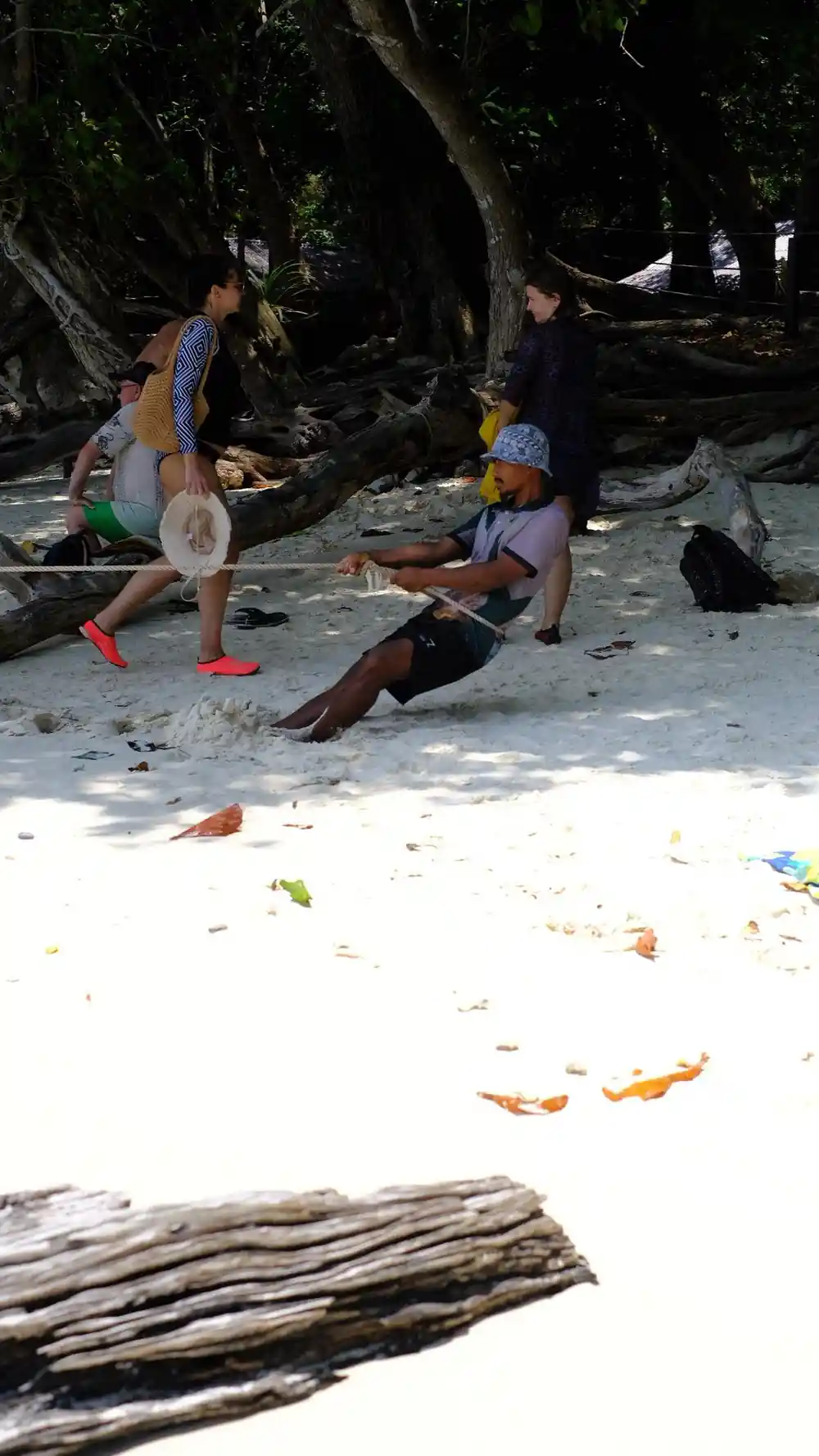
★★★★★
Visibility was outstanding. Saw turtles, reef sharks, and countless tropical fish species.
 Francesca C.