Worth remembering
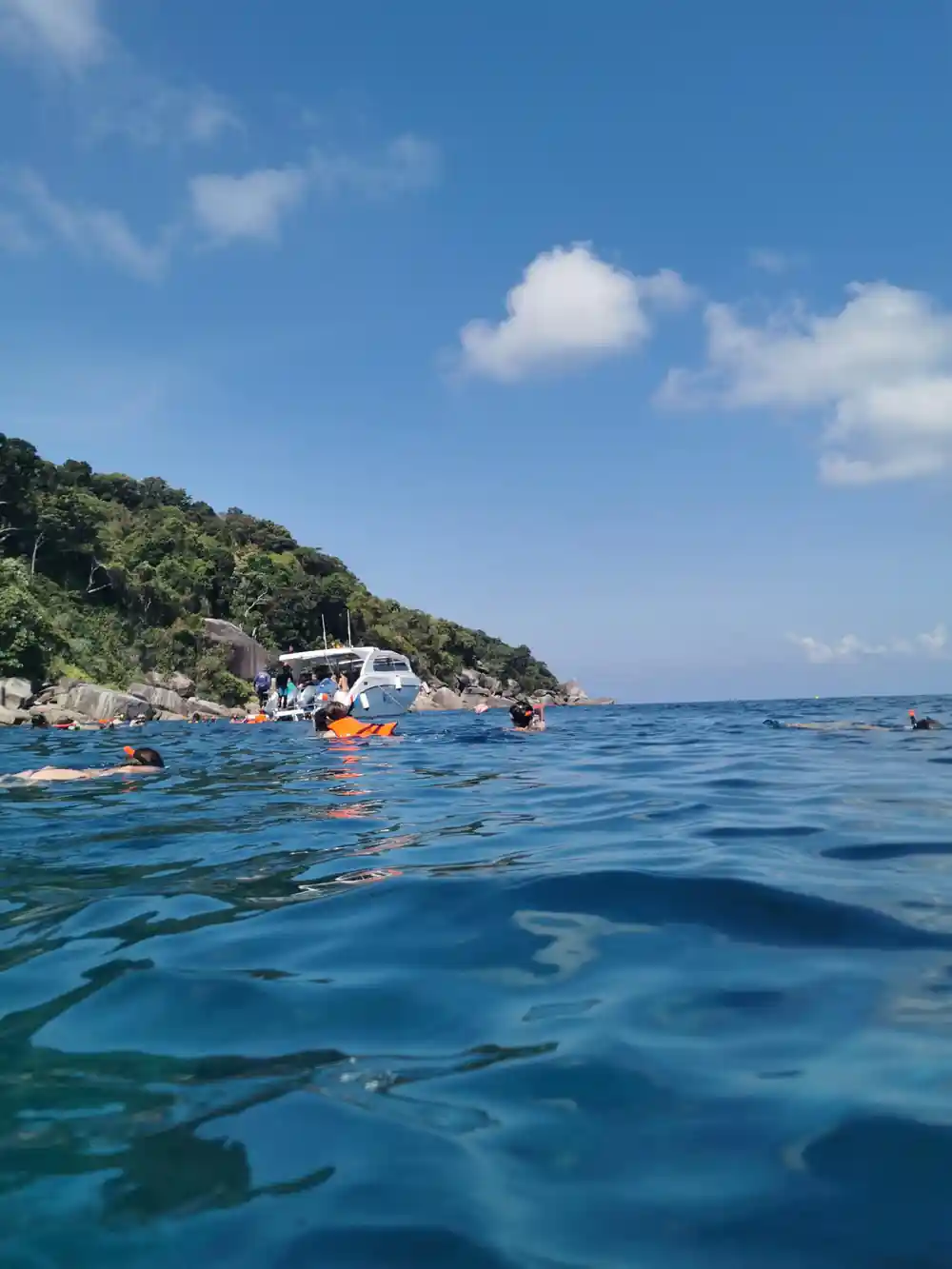
- You'll enter the water at three separate locations across the Similan Islands, each offering different marine life and reef features to explore.
- Each snorkel stop allows adequate time in the water so you can swim, observe corals, and spot tropical fish without feeling rushed between sites.
- Snorkels, masks, and fins are included with your tour. You're welcome to bring your own mask if you prefer, and life jackets are available upon request.
- If you can't swim, guides work with you in shallow areas and on the boat. Life jackets and buoyancy aids ensure you stay safe and comfortable.
- The team monitors water conditions, manages currents, and watches for jellyfish. If conditions shift, they adjust your snorkel site to keep everyone safe.
Three Snorkel Sites Across the Similan Islands
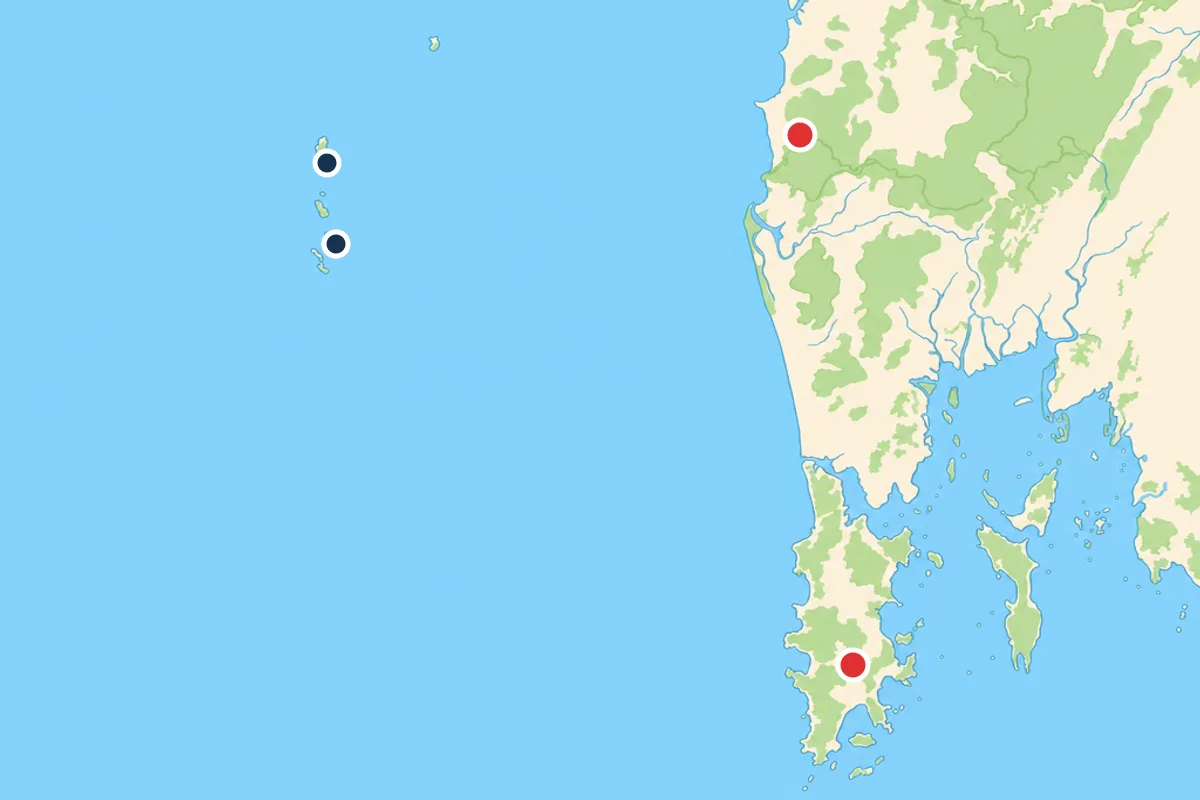
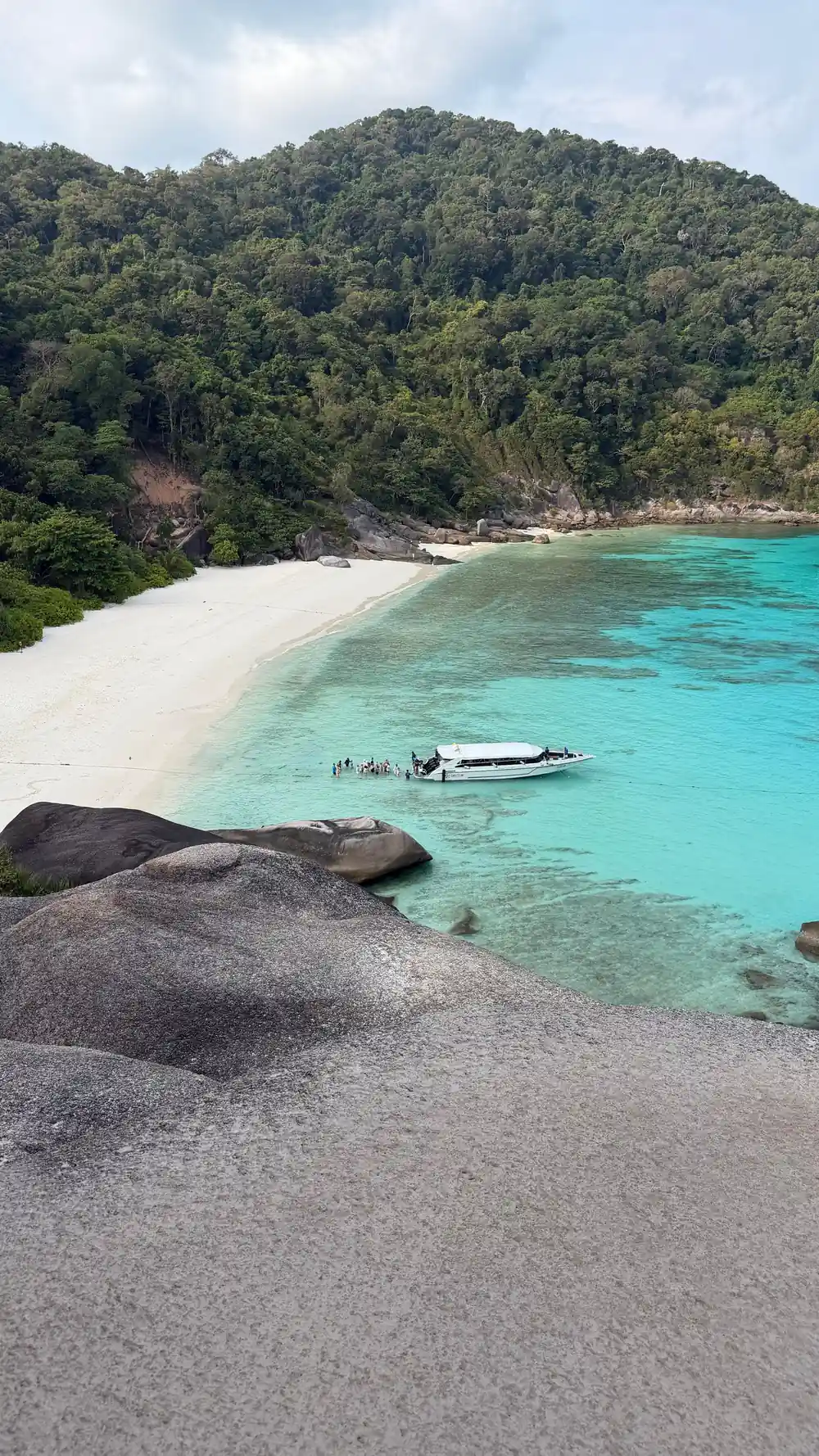
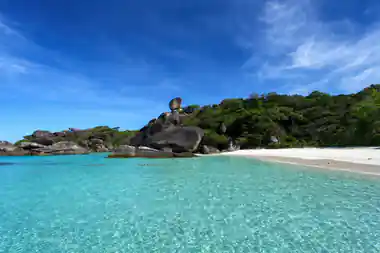
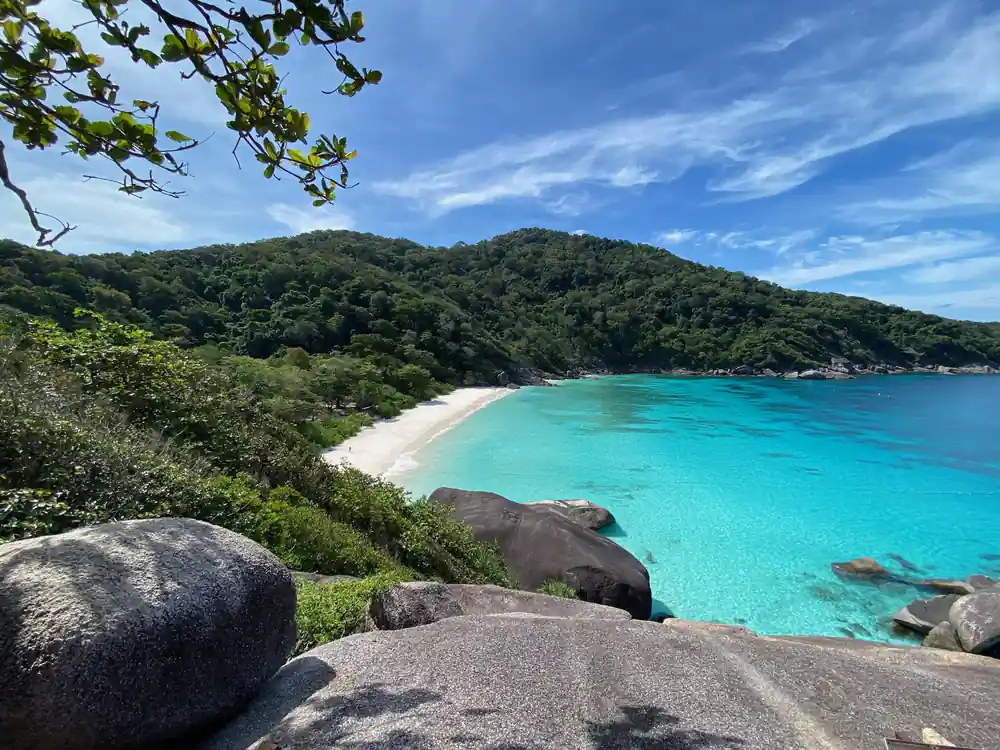
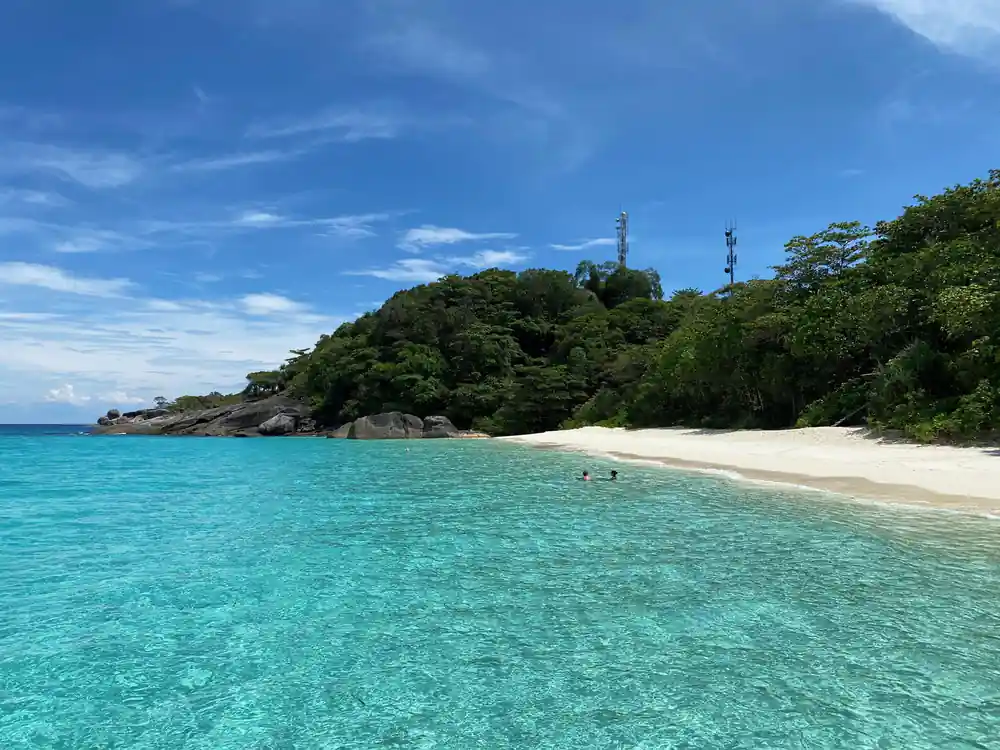
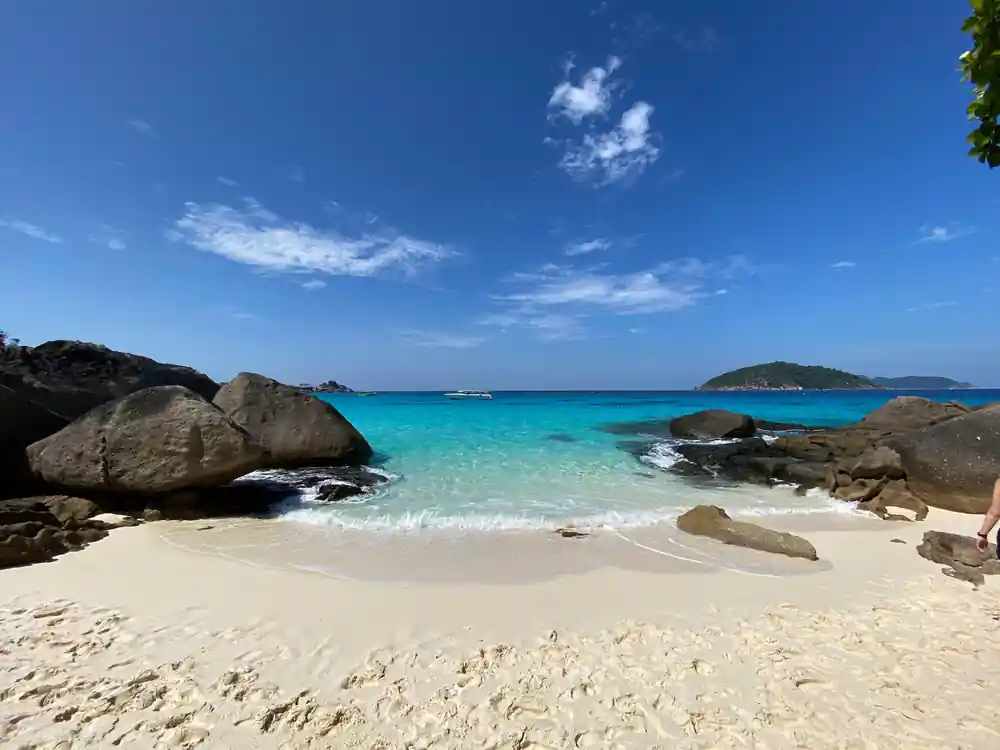
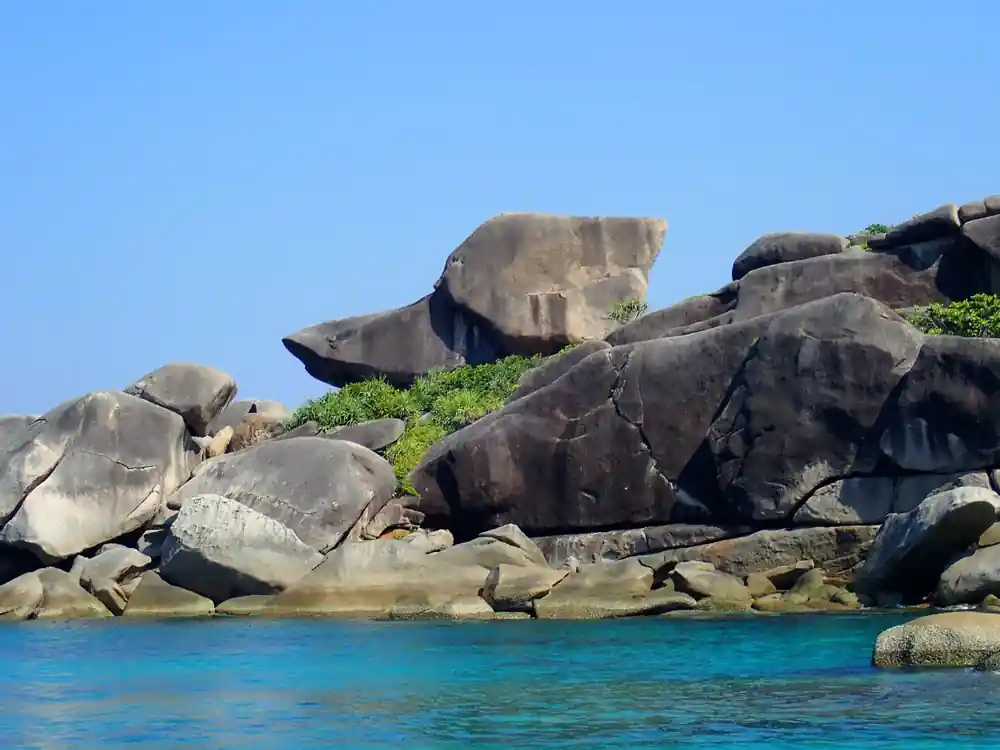
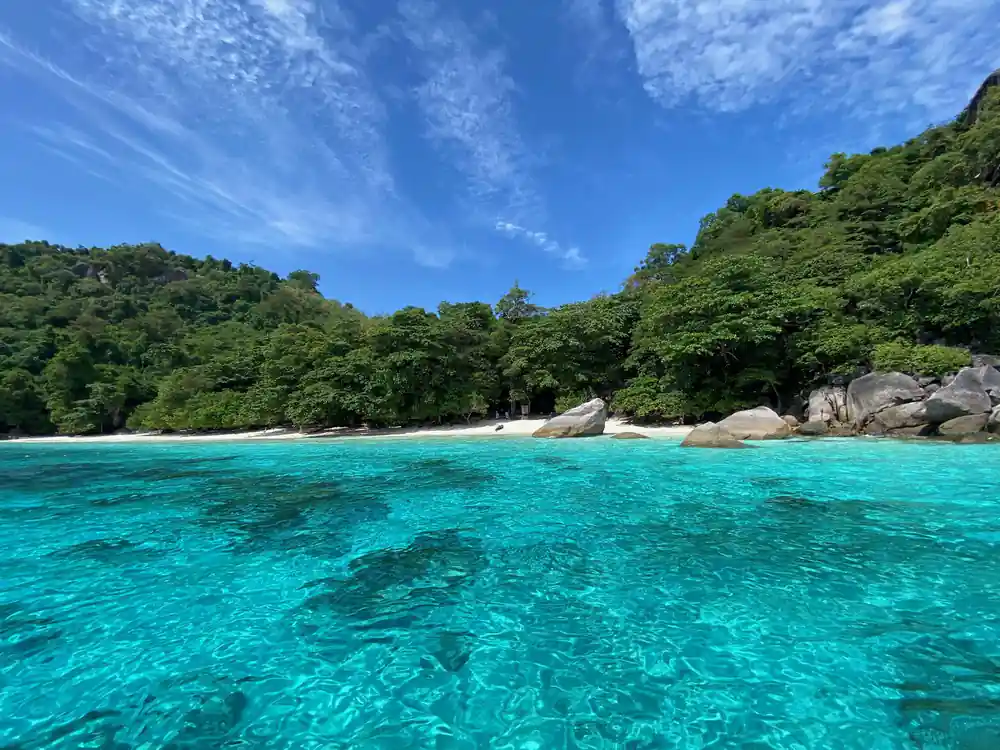
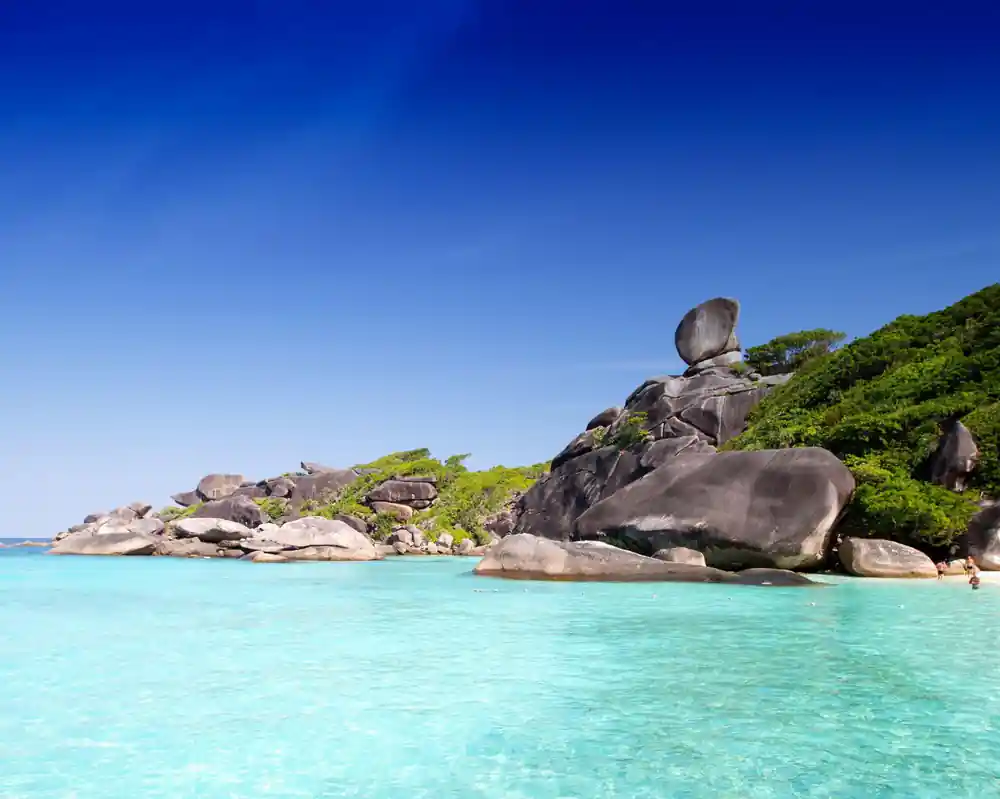
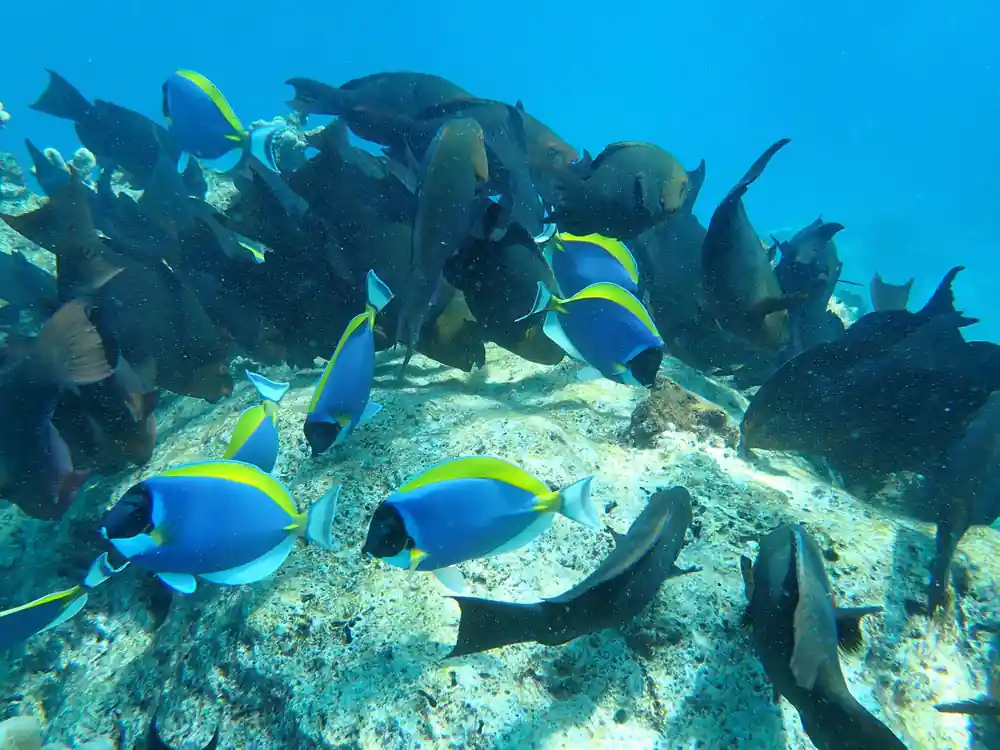
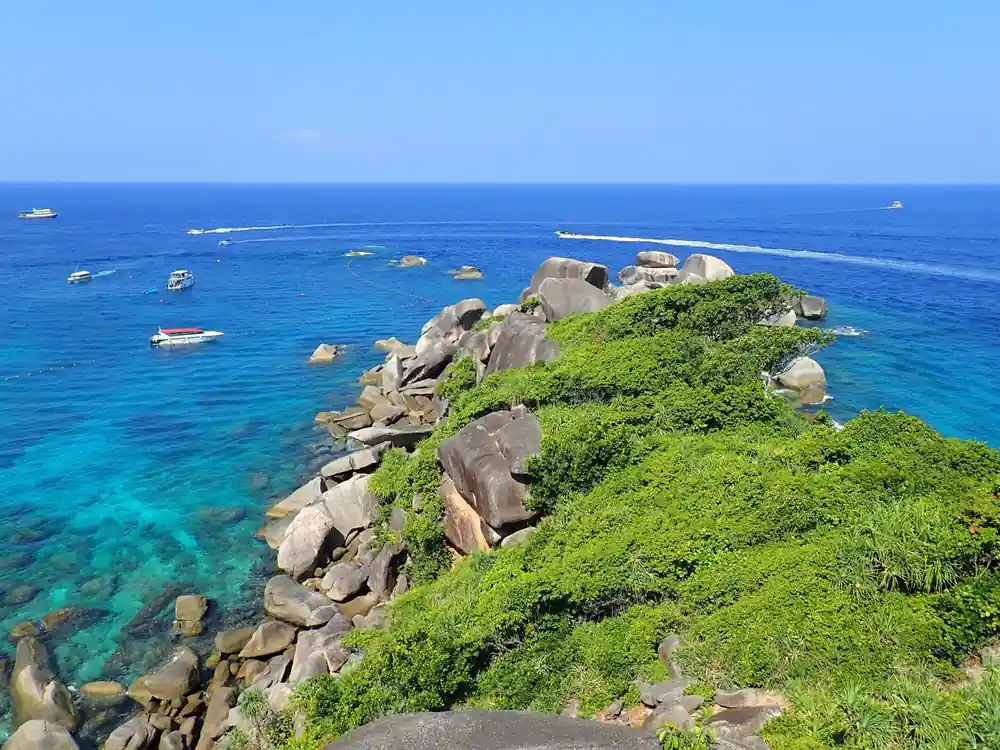
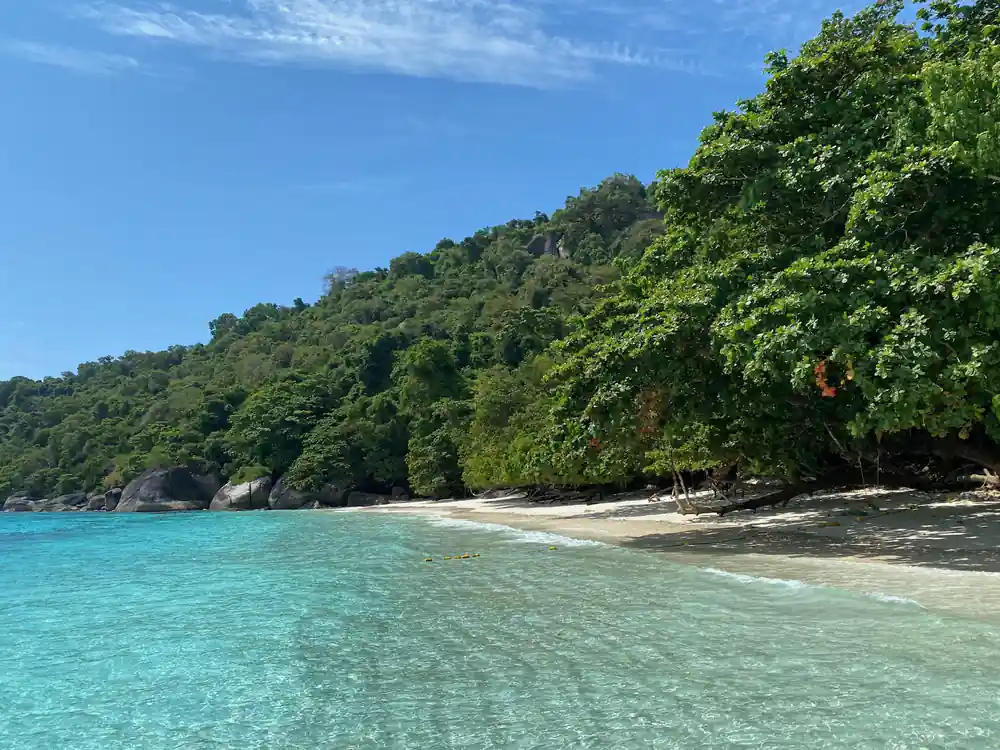
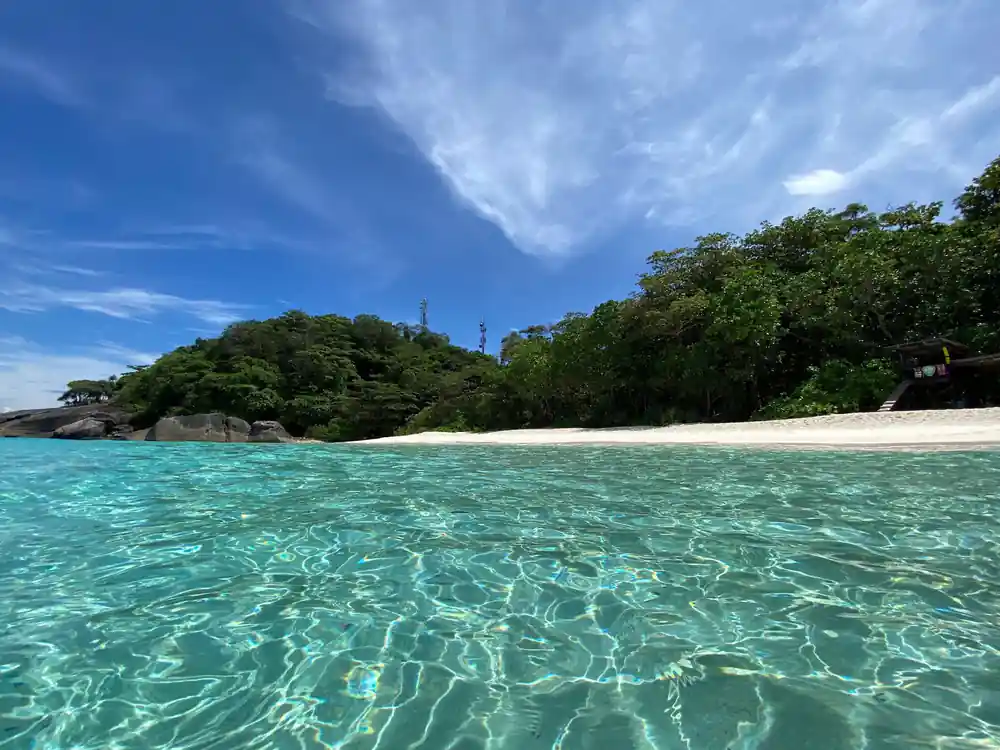
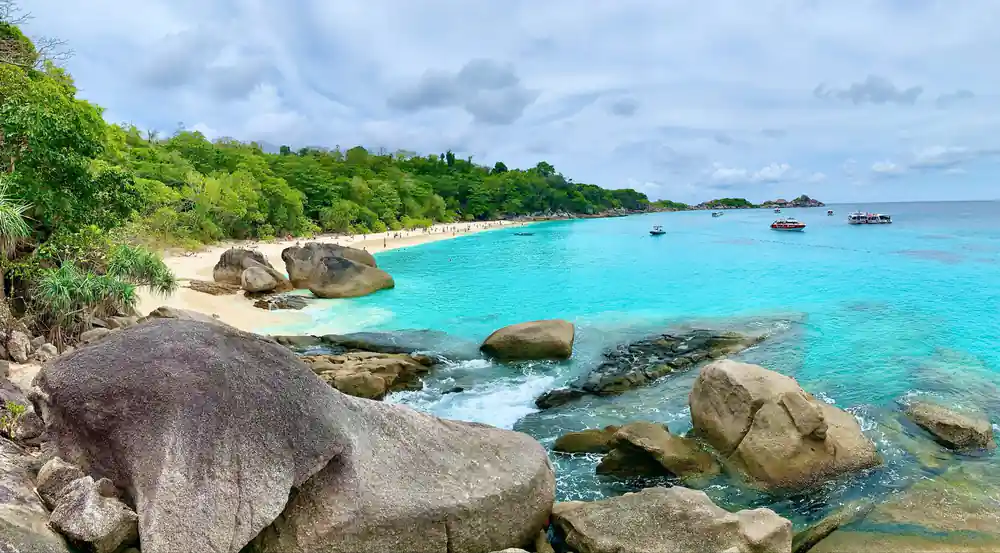
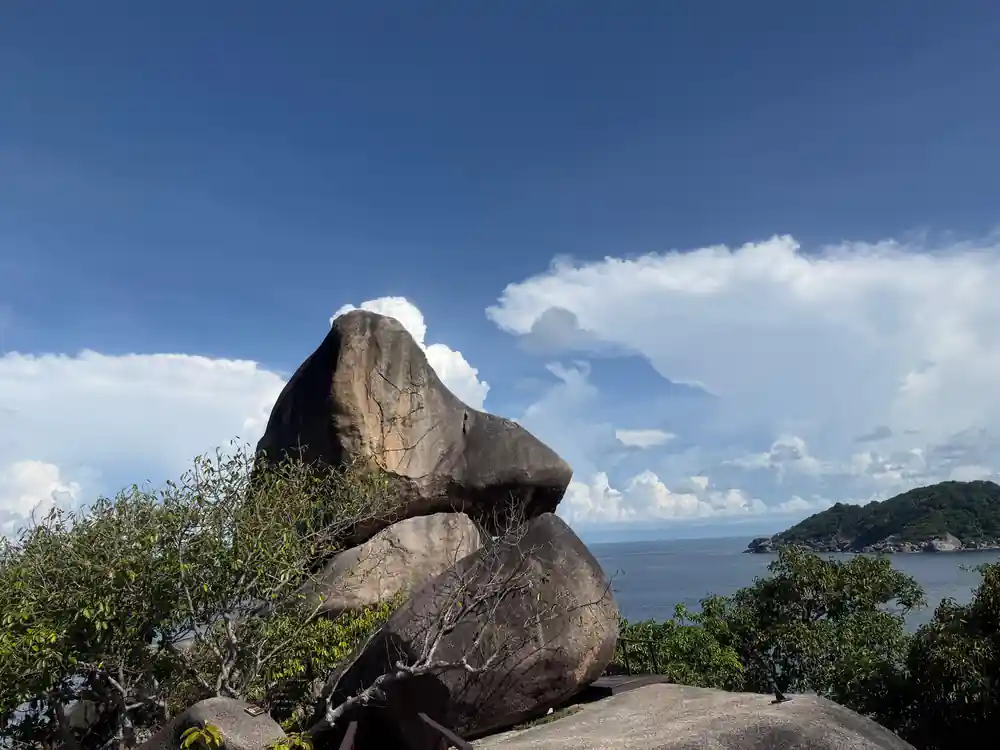
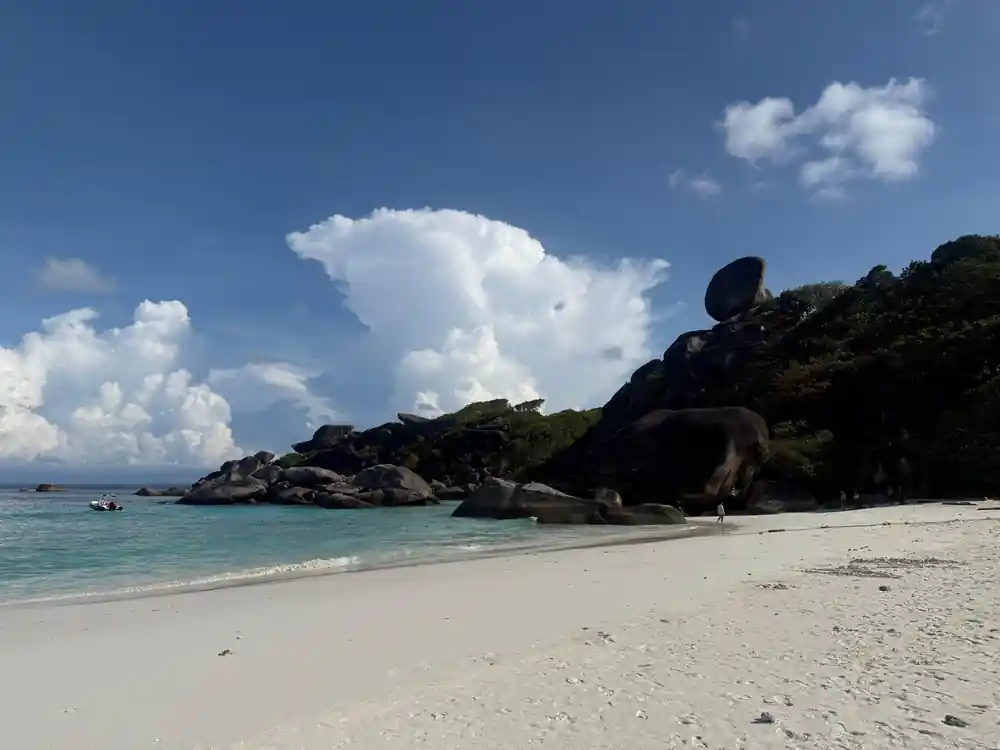
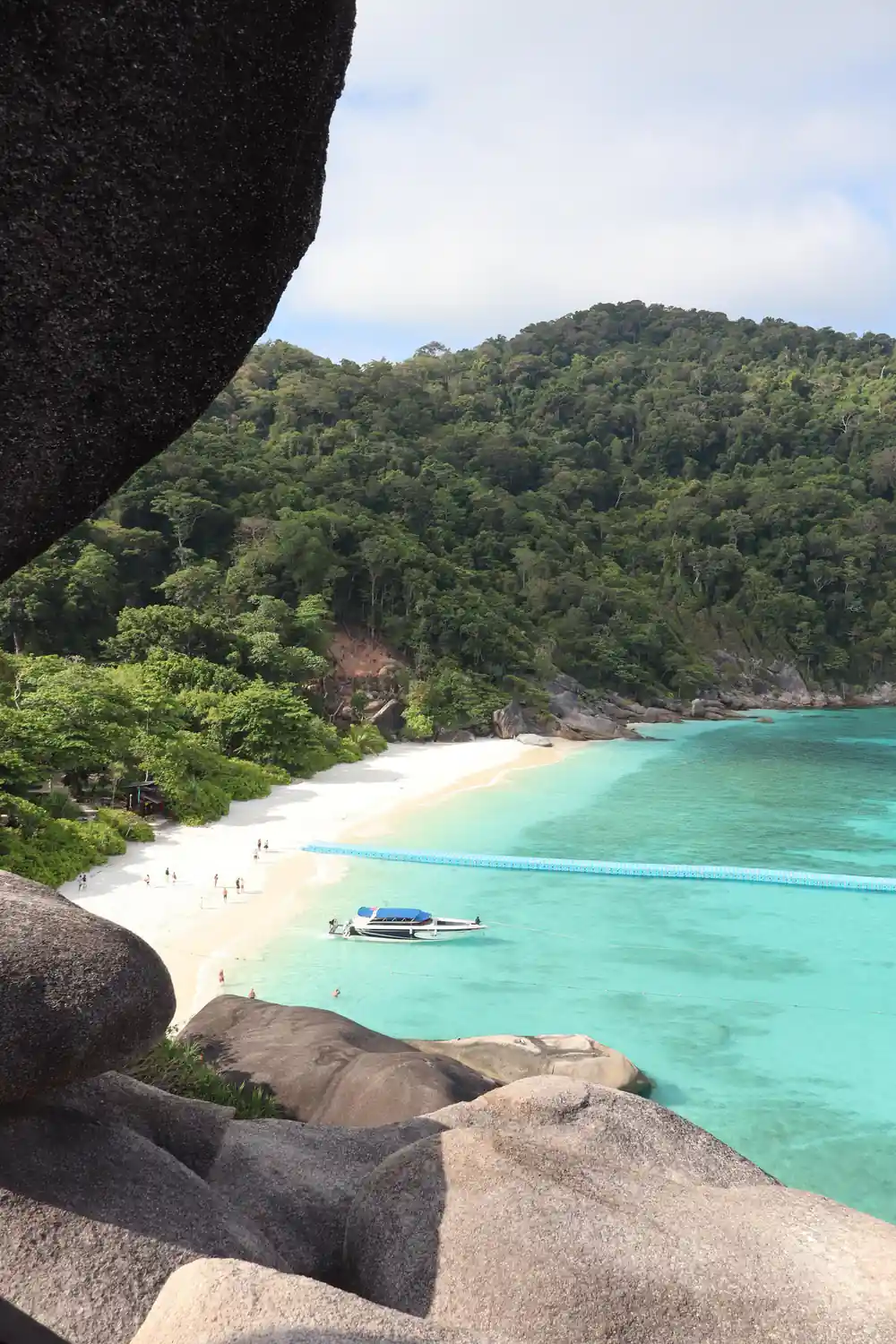
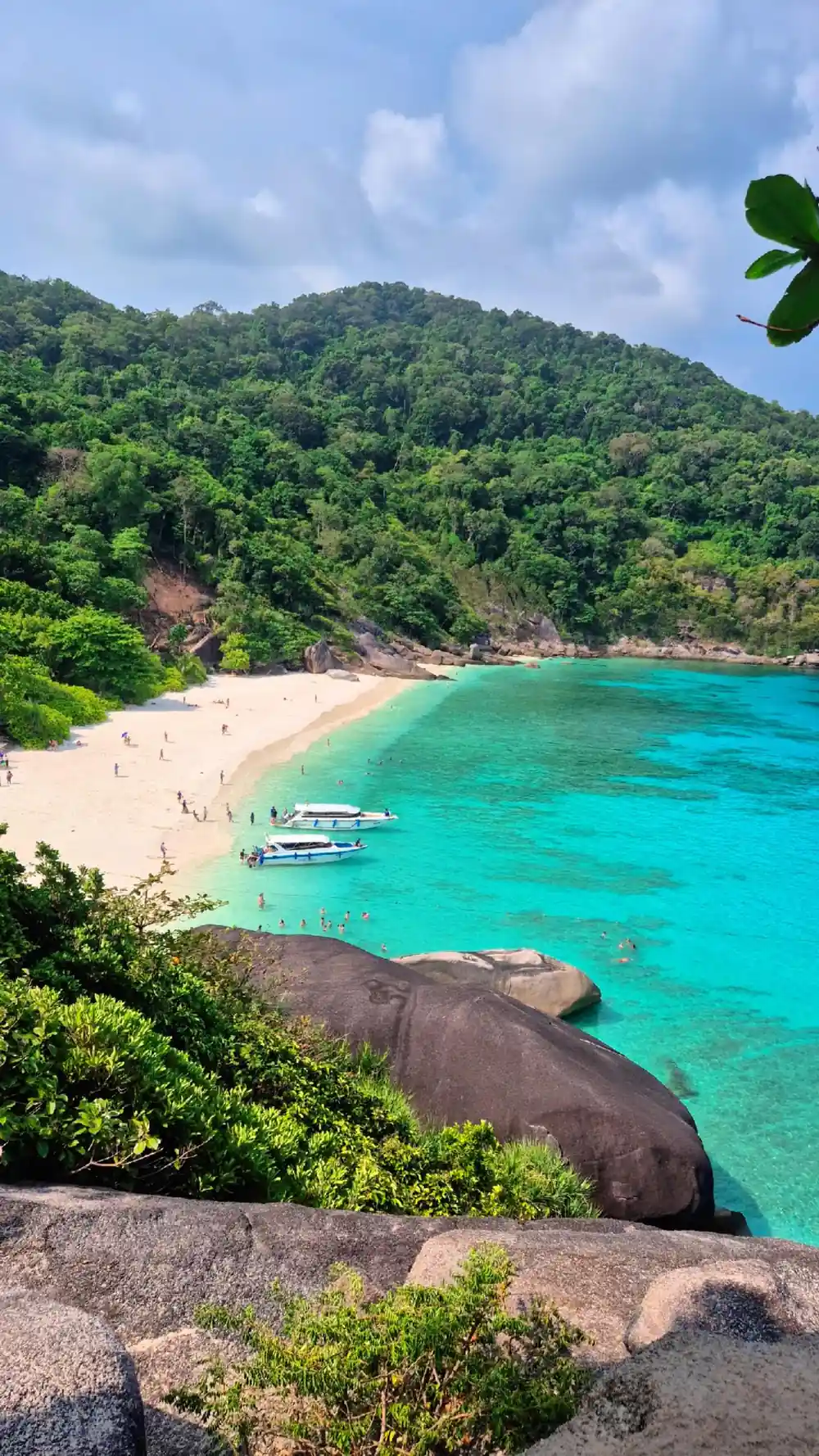
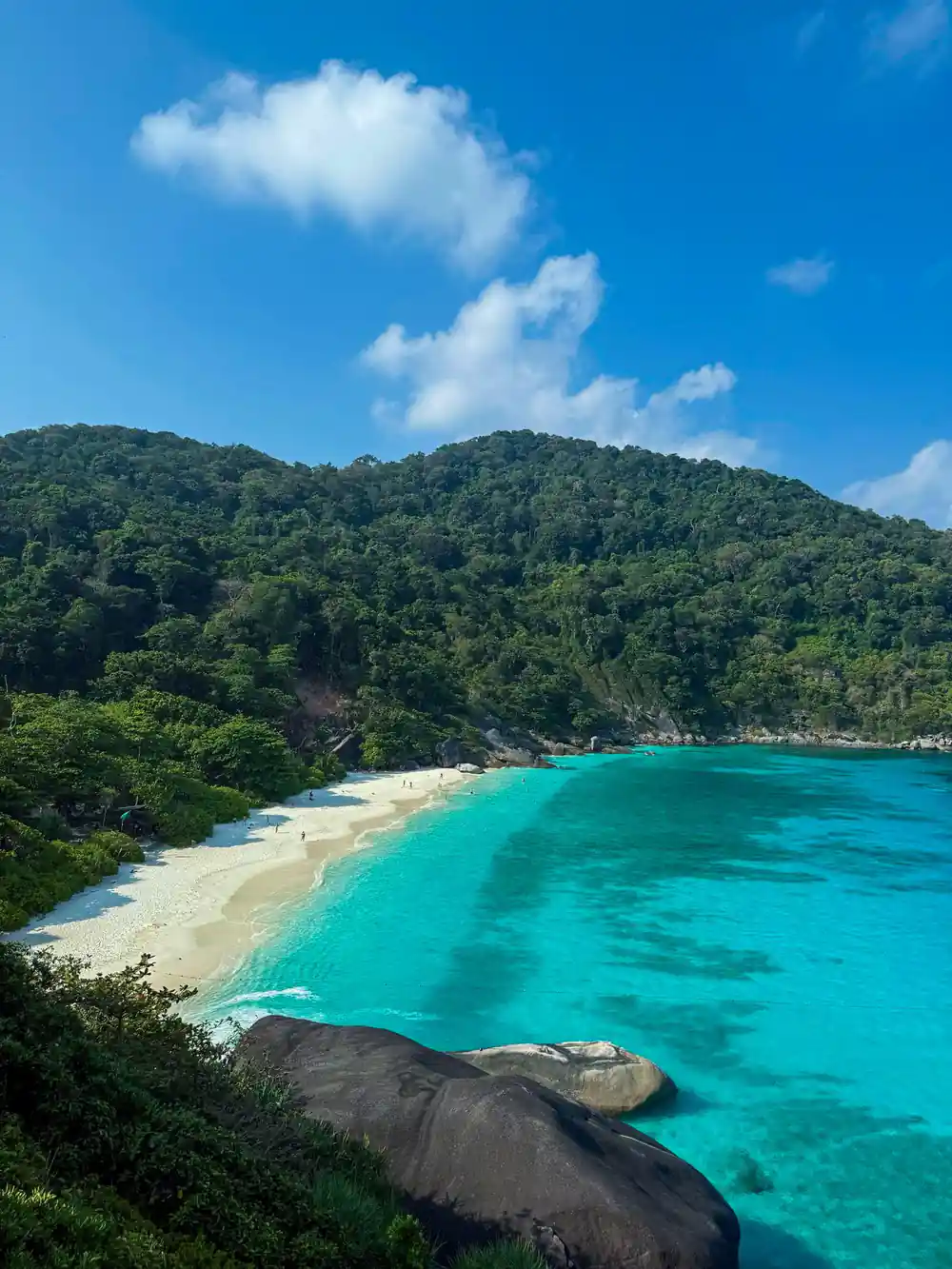
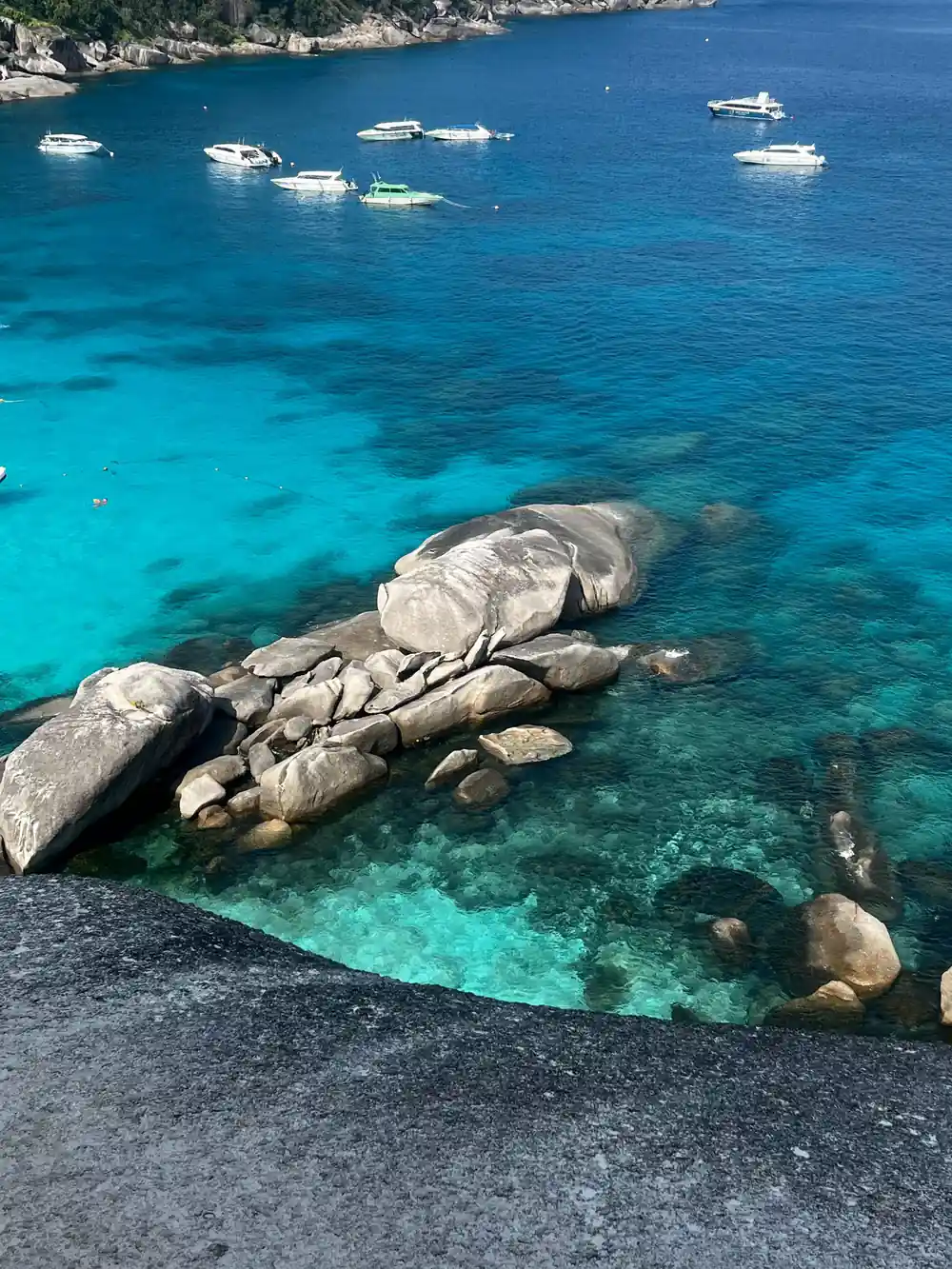
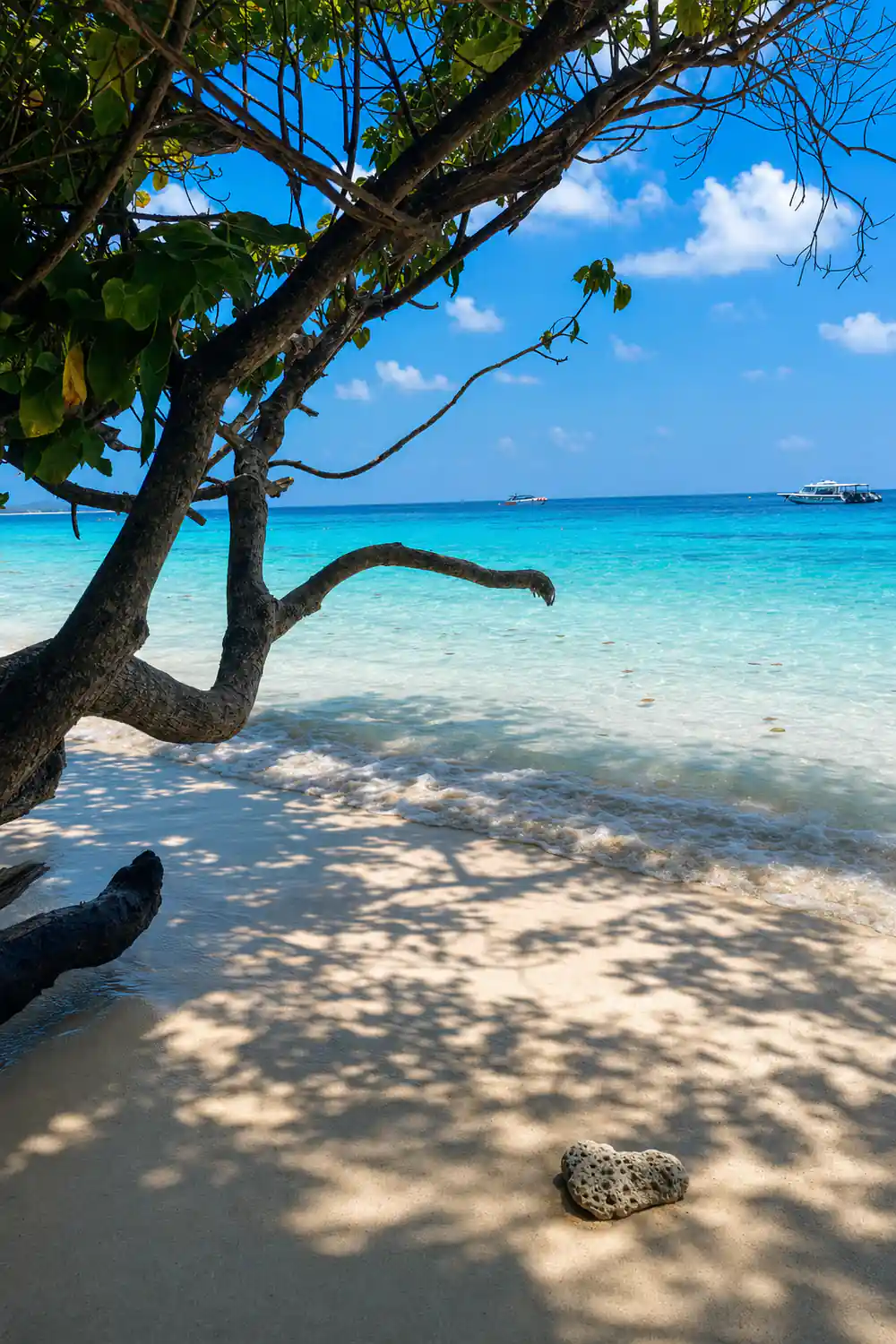
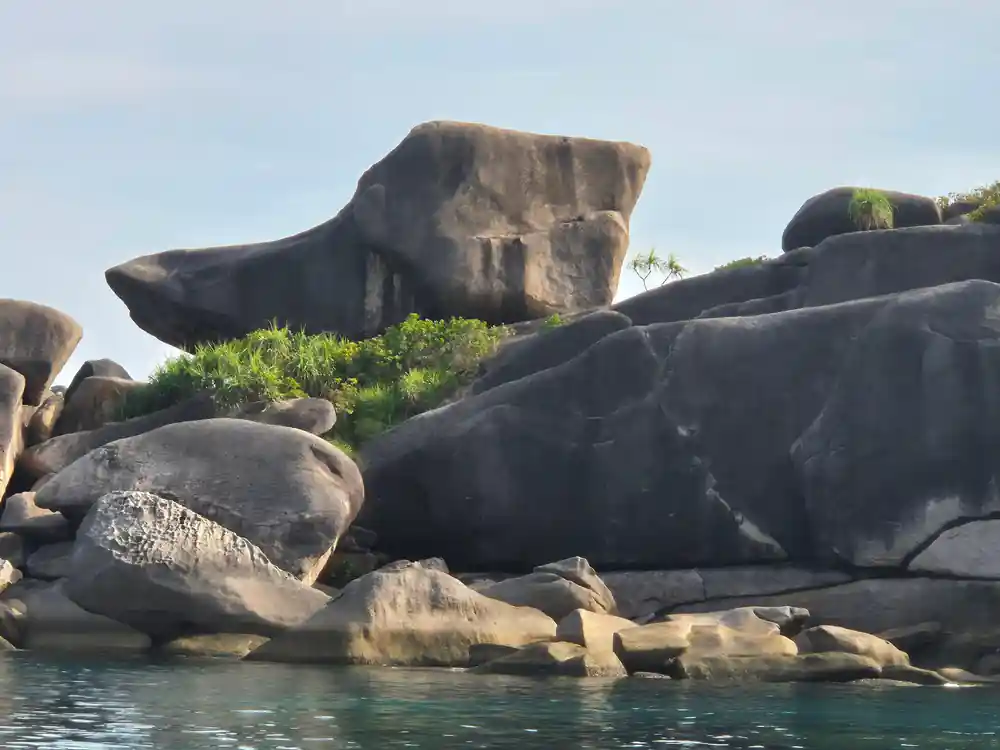
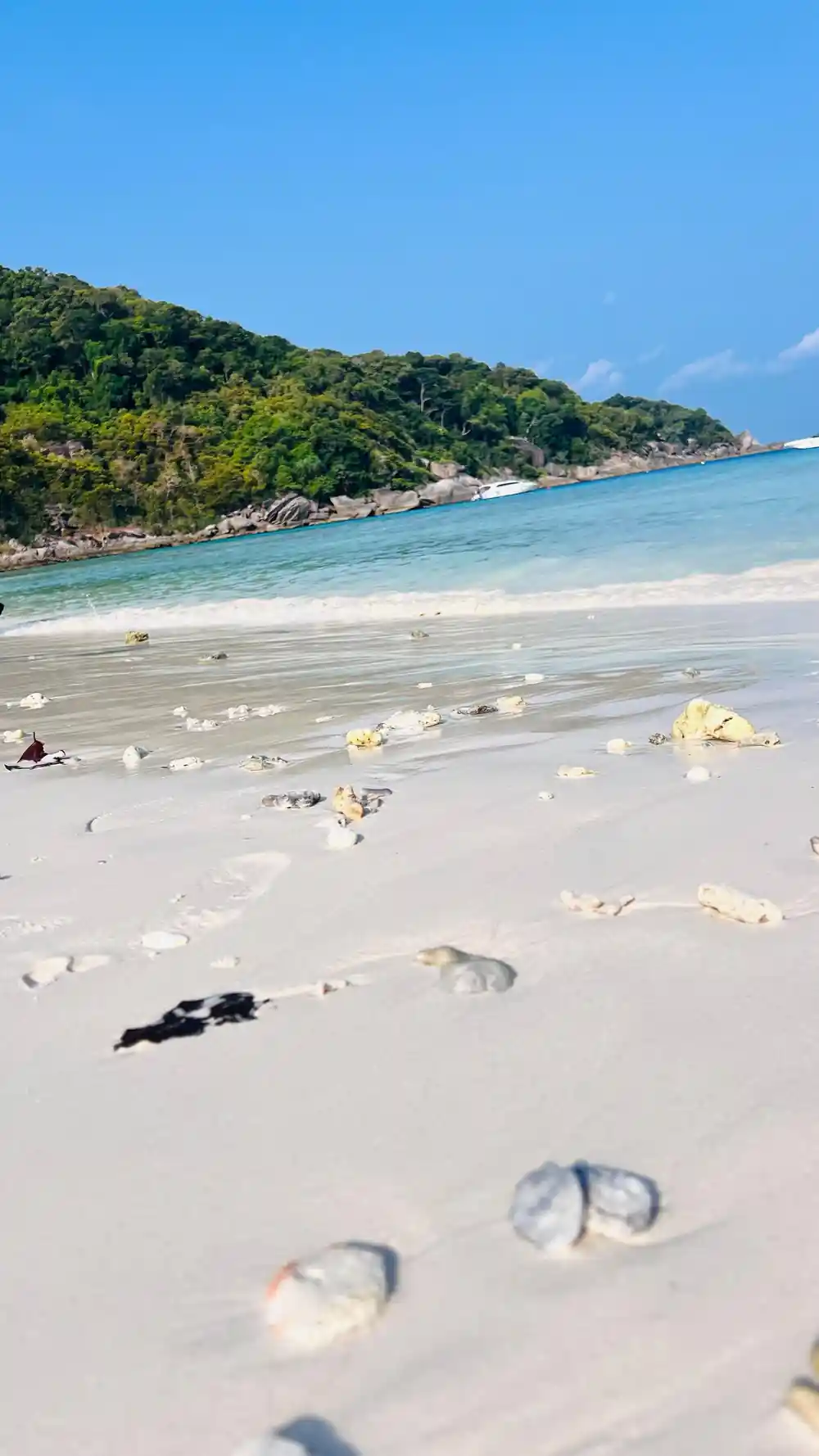
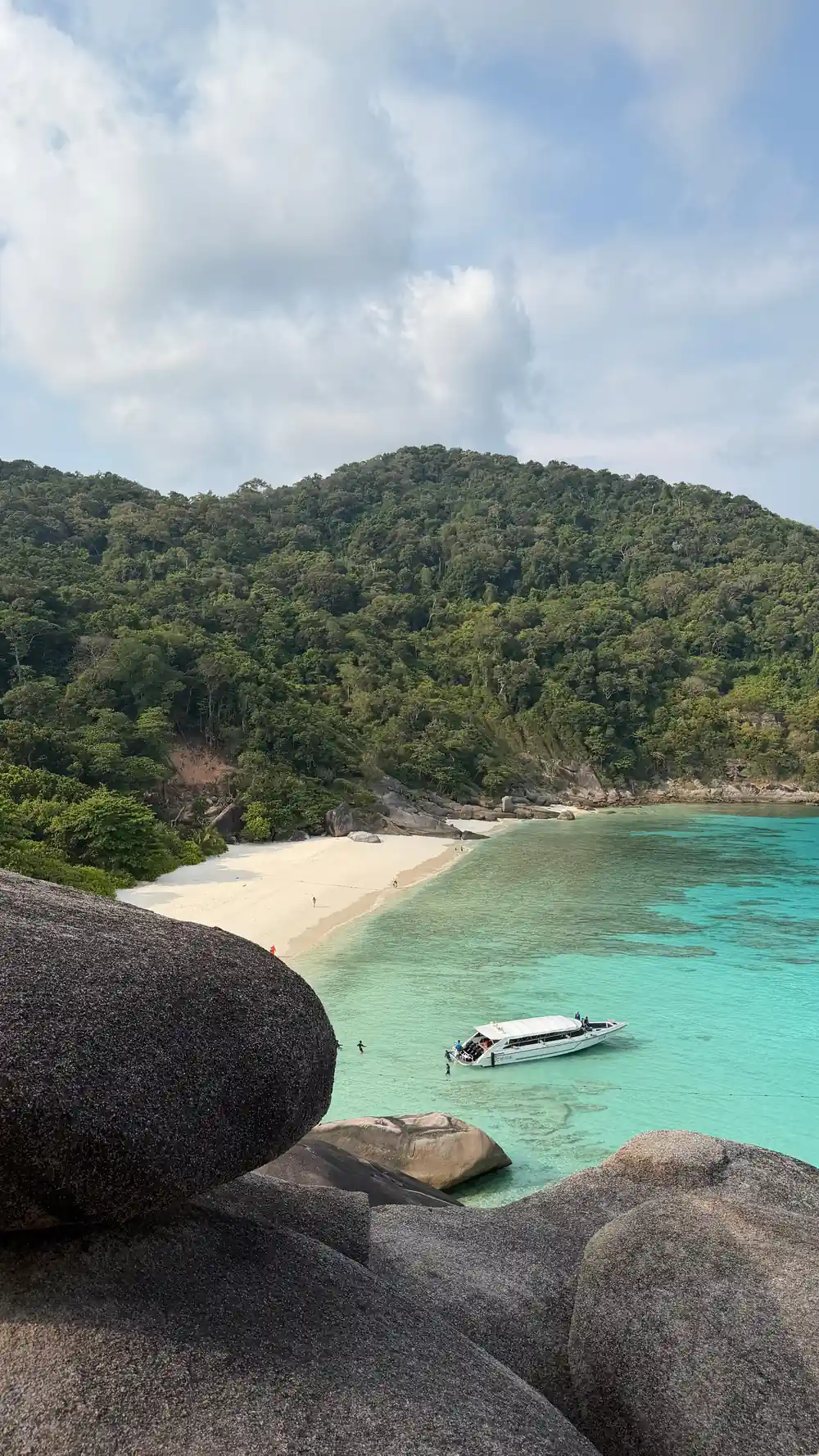
This early-bird tour includes three separate snorkel stops, each offering different reef ecosystems and marine life. Your first stop is Donald Duck Bay, named for its distinctive rock formation that resembles the cartoon character's profile. The bay features a shallow, sheltered reef system ideal for building confidence in the water, with depths ranging from 2 to 6 metres. Visibility here typically reaches 15 to 20 metres on clear days, giving you excellent sight lines to schools of fusiliers, parrotfish, and occasional small reef sharks that pose no threat to snorkellers.
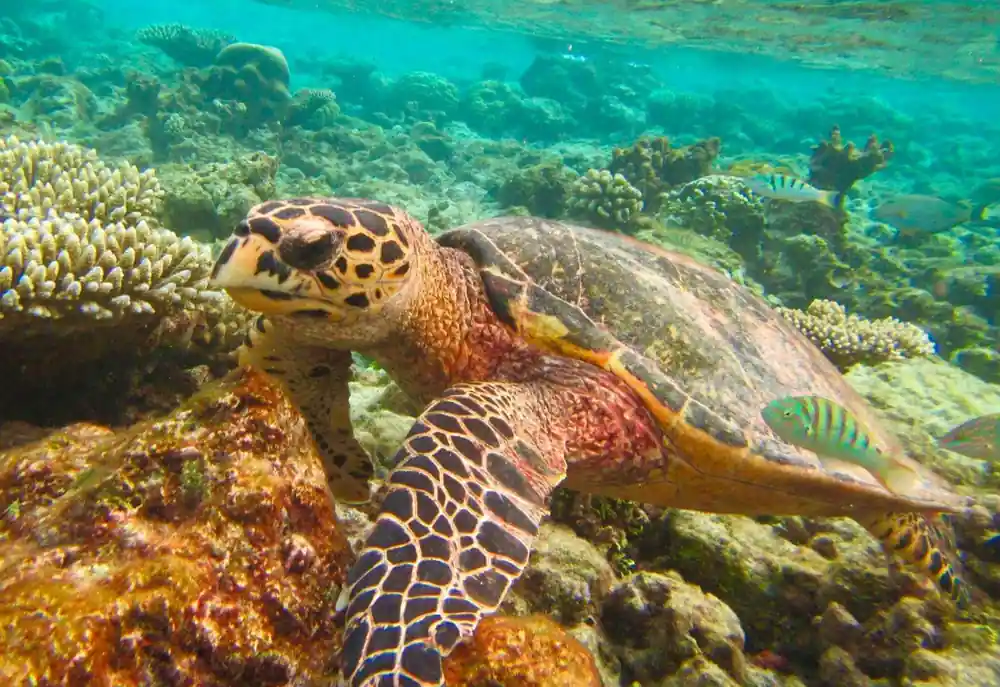
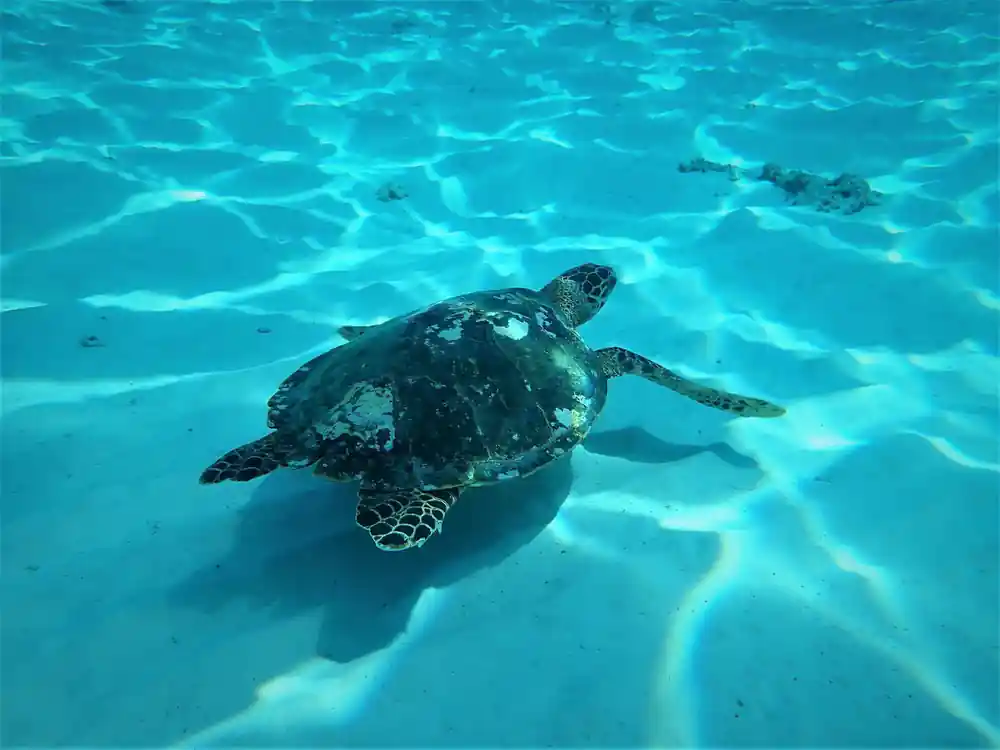
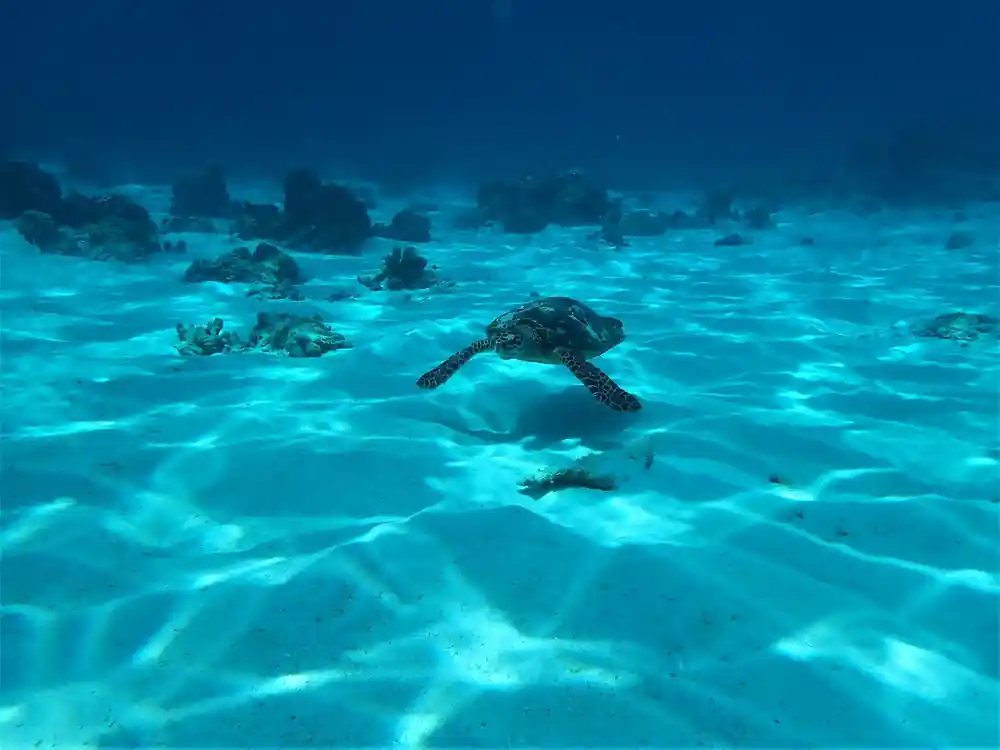
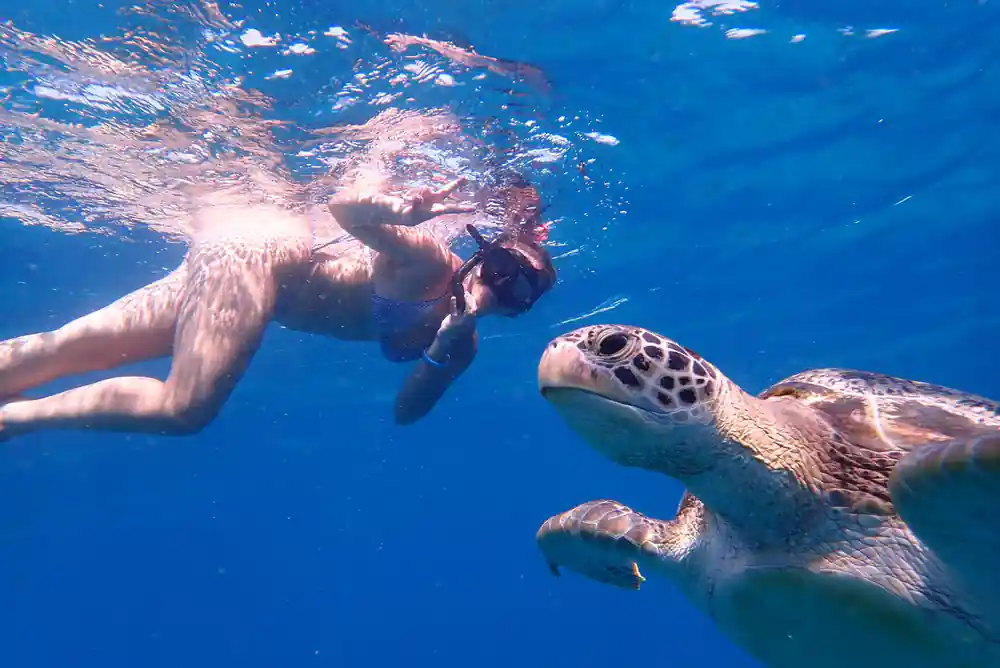
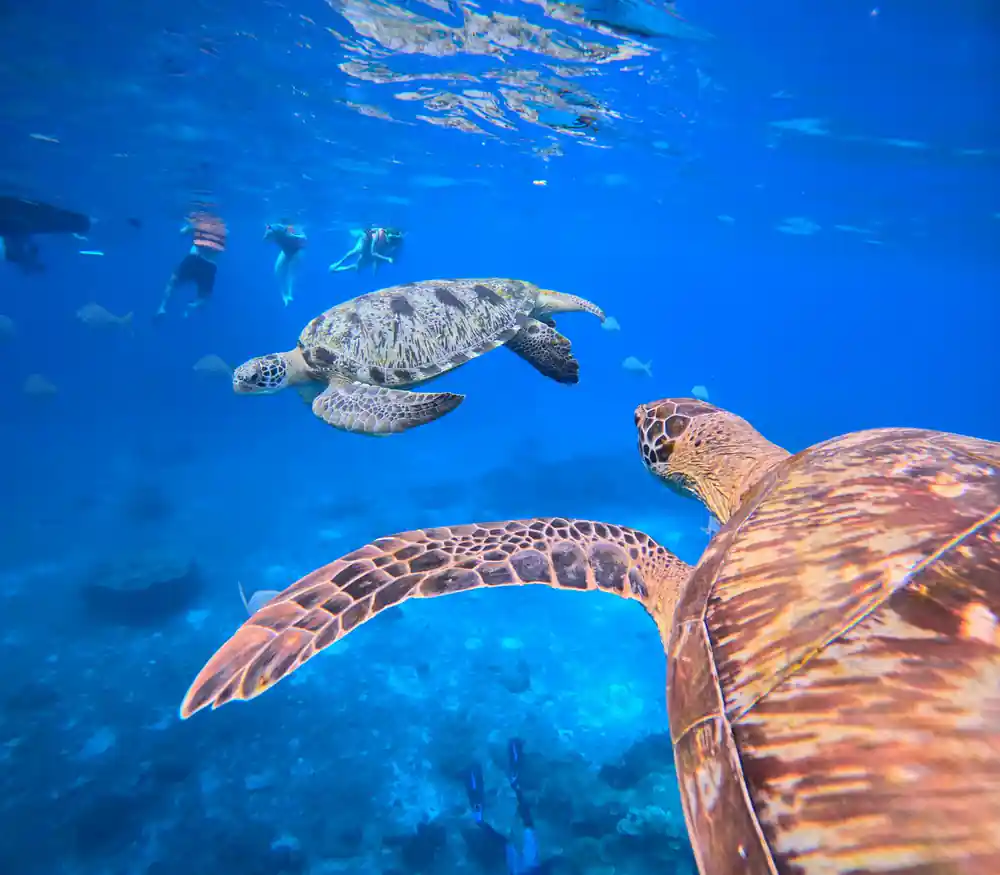
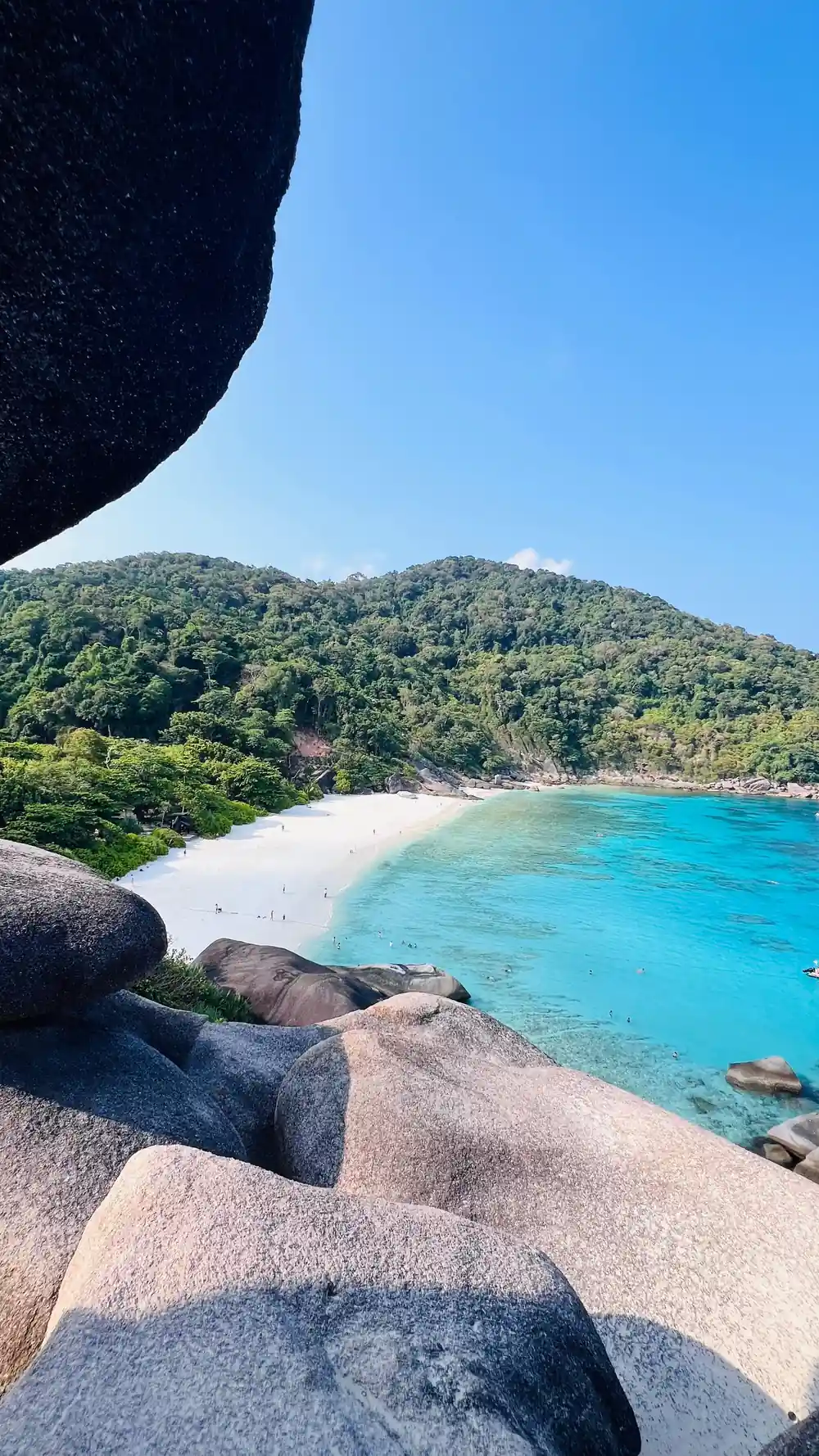
The second and third stops take you to different sections of the Similan Islands themselves, where the underwater topography becomes more dramatic. These reefs drop into deeper channels and feature larger coral formations, including brain corals and table corals that have grown for decades. You will encounter more species diversity here: angelfish, butterflyfish, groupers, and occasionally sea turtles. Water depths at these stops range from 3 to 8 metres in the snorkel zones, though the reef extends deeper for divers. Each stop lasts approximately 40 minutes in the water, giving you substantial time to explore without rushing between sites.
What Non-Swimmers and Beginners Can Actually Do
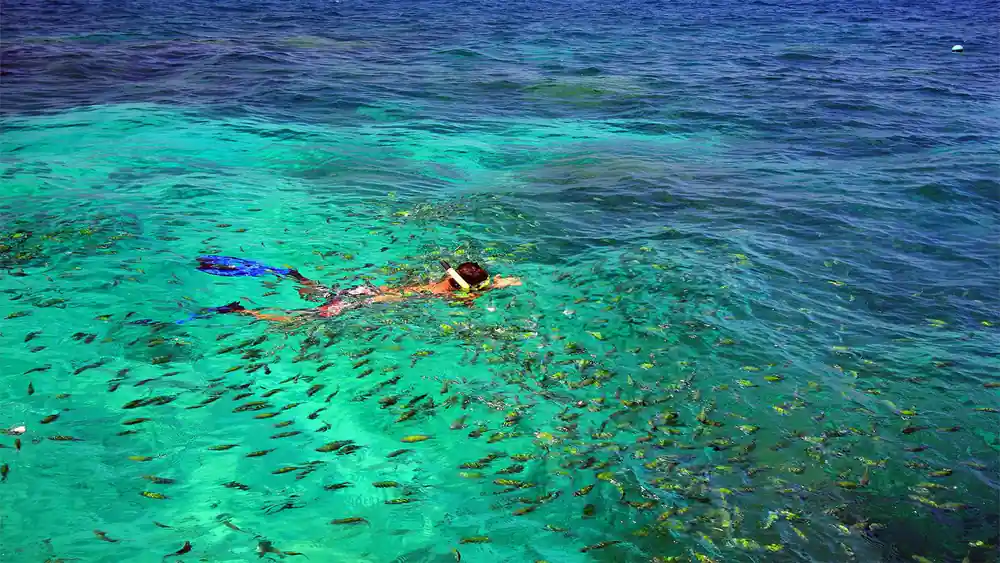
Non-swimmers and first-time snorkellers are welcome on this tour, though you should understand what that participation looks like in practice. If you cannot swim, the crew will assess your comfort level during the boat briefing and may suggest you remain on the boat at one or more stops, or may pair you with a guide who stays close by. The shallow conditions at Donald Duck Bay are genuinely beginner-friendly: you can stand on sand in under a metre of water and observe the reef from there, gradually moving into slightly deeper sections as confidence builds. Many first-time snorkellers find this gradual entry far less intimidating than jumping directly into open ocean.
Children as young as five or six regularly snorkel on this tour, though parental judgment matters greatly. Your child should be a comfortable water-player, not fearful of masks or breathing through a tube, and ideally able to follow simple safety instructions. The crew provides guidance suited to younger participants, including shorter in-water sessions and closer supervision. Families often find that the boat's relaxed schedule and multiple sites allow children to opt out of any single stop without affecting the overall experience, then rejoin the group at the next location once they have rested.
Snorkelling Equipment: What Is Provided and What You Can Bring
The tour operator does not explicitly list snorkelling equipment in the inclusions, so you should plan to bring your own mask, fins, and snorkel tube if you own gear that fits you well. Personal equipment ensures proper fit and comfort during the full 13-hour day. If you do not have your own, contact the operator in advance to confirm what rental options exist and any associated costs. Many Phuket and Khao Lak tour operators offer equipment rental for a modest fee, though this is not guaranteed to be included in your tour price.
A well-fitting mask is genuinely important: an ill-fitting one will leak, causing frustration and wasting energy. If you wear prescription glasses, consider ordering prescription mask inserts before your trip, as these are rarely available for rent locally. Fins should allow free heel movement for long periods of swimming without cramping. The snorkel tube should have a comfortable mouthpiece and ideally a splash guard to prevent water entry when waves pass overhead. Bring your own gear or arrange rental before your tour date to ensure you have equipment that works for you.
How the Crew Manages Currents and Challenging Conditions
The Similan Islands sit in the Andaman Sea where currents are a regular feature, not an exception. Your tour guide and boat crew monitor water conditions continuously before and during each stop, assessing current strength, direction, and safety. They choose which of the three stops to visit first based on daily conditions: if a strong current is running at one site, they may save it for later in the day when the tide has shifted, or skip it entirely if conditions are unsafe. The crew briefs you on each stop's specific current before you enter the water, explaining which direction to swim and how to use the current to your advantage rather than fight it.
If a current proves stronger than expected once you are in the water, the crew signals you back to the boat. They never leave snorkellers unattended: at least one crew member remains in the water during each session, watching for anyone struggling. The boat's position is chosen to be easily reachable even if you drift slightly with the current. Learning to relax and let a mild current carry you, rather than panic-swimming against it, is the key safety principle the crew will reinforce before you enter the water.
2 h
Spend roughly two hours total underwater across three separate snorkel sites in the Similan Islands.
Jellyfish Encounters and What to Expect
Jellyfish appear seasonally in the Andaman Sea, and their presence varies week to week. The crew monitors jellyfish reports from other boats and checks the current site before bringing your group into the water. If jellyfish are present in numbers that pose a sting risk, the crew will either relocate to a different snorkel site or provide guidance on minimising contact: typically wearing a rash guard or wetsuit for skin protection, moving slowly to avoid triggering defensive responses, and never touching jellyfish even if they appear dead or dormant. Most jellyfish you encounter will simply drift past, ignoring you entirely.
Minor stings from small jellyfish are rare but possible; the crew carries basic first aid supplies and can rinse the area and apply vinegar if needed. Serious jellyfish events are uncommon on this tour, and the operator's decision to visit a site depends partly on jellyfish risk assessment. If you have a known jellyfish allergy or anxiety about stings, mention this during your hotel pickup so the crew can brief you specifically and watch for any signs of distress during in-water sessions.
Snorkelling the Similans Versus Diving the Same Reefs
Many visitors wonder how snorkelling the Similan Islands differs from diving them, since the same reef systems attract both activities. Snorkelling confines you to roughly the top 2 to 8 metres of water, where light penetrates fully and coral growth is most vibrant. You see the reef's brightest colours, most active fish behaviour, and the intricate structure of shallow coral gardens. This is where juvenile fish shelter, where hunting occurs at dawn and dusk, and where sea turtles often graze on seagrass. A snorkeller typically covers 1 to 2 kilometres of reef in a single session, seeing tremendous variety without the technical training or equipment demands of diving.
Diving the Similans takes you to 15, 20, or even 30 metres, where larger pelagic fish appear, where the reef walls become dramatic geological features, and where different coral and fish communities thrive in lower light. Diving requires certification, training, and responsibility for your own air supply. For most visitors, snorkelling offers a perfect balance: immediate access to stunning marine life, simple equipment, no certification needed, and multiple sessions in a single day without exhaustion. The three stops on this tour give you variety and depth of experience that would take several boat days to replicate through diving alone.
Before You Enter the Water: Crew Briefing and Your Role
Before your first snorkel stop, the crew conducts a mandatory safety briefing on the boat. They explain the hand signals for 'I am okay' and 'I need help', the boundaries of each snorkel site, what to do if you become separated from the group, and how to attract the crew's attention if you need assistance. They demonstrate proper mask and fins placement, correct breathing technique through a snorkel tube, and how to clear water from your snorkel if it enters. This briefing takes 10 to 15 minutes and covers material you have likely encountered before if you have snorkelled, but repetition matters for safety, especially in a new location with unfamiliar crew.
Your role is to listen carefully, ask questions if anything is unclear, and follow crew instructions precisely once you are in the water. Inform the crew immediately if you are a weak swimmer, have never snorkelled before, have any medical condition affecting your breathing or heart, or have recent ear or sinus issues. The crew wants this information before you enter the water, not after a problem emerges. A honest conversation during briefing shapes the entire day's experience and ensures the crew can support you appropriately at each of the three snorkel sites.
Beat the crowds to pristine reefs
from US$123Reserve now & pay later
Quick answers
How many times do we get in the water?
Can I snorkel if I've never done it before?
Are life jackets provided on the boat?
Can I bring my own snorkel mask?
How deep is the water at each site?
Do the guides enter the water with us?
What happens if jellyfish show up?
How long do we spend snorkeling at each stop?
Should I worry about strong currents here?
Can young children snorkel on this tour?
-
★★★★★
The water clarity was incredible. We could see fish and coral from the surface.
 Michael S.
-
★★★★★
I'm not a strong swimmer, but the guide stayed right beside me the whole time.
 Jürgen M.
-
★★★★★
Nervous about snorkeling, yet the crew made me feel completely safe and supported.
 Christiane S.
-
★★★★★
Three different spots, each with amazing visibility and so many colorful fish nearby.
 Alicia Y.
-
★★★★★
My kids loved it. The guides watched everyone closely and kept us all together.
 Sergio G.
-
★★★★★
Crystal-clear water and the guide pointed out fish we'd have missed otherwise.
 Sandrine Y.
-
★★★★★
First time snorkeling and I felt nervous, but the staff was attentive the entire time.
 Alessia K.
-
★★★★★
Incredible underwater views. The guides stayed in the water nearby for reassurance.
 Emma J.
-
★★★★★
Visibility was fantastic. We saw so much marine life even as beginners.
 Mary C.
-
★★★★★
The crew made sure everyone was comfortable in the water and had a wonderful time.
 Charles C.