Worth remembering
- Similan Islands National Park opens November through May each year. The park closes June to October due to monsoon conditions and rough seas.
- December through February offer the calmest waters and clearest visibility for snorkeling. Sea conditions remain favorable through April.
- If monsoon weather forces cancellation of your speedboat tour, you can reschedule for another date or request a full refund of your booking.
- November and May present choppier speedboat rides as shoulder-season swells arrive. Early and mid-season months provide the smoothest journey.
- December and January attract the most tour operators to the islands. Visit in November, February, or April for fewer speedboats and quieter snorkeling spots.
Why Thailand Closes Similan National Park Each Year
Similan National Park shuts down annually from May through October to protect the marine environment during the southwestern monsoon season. Thailand's Department of National Parks enforces this closure to allow coral reefs, seagrass beds, and nesting sites to recover from the heavy tourist traffic of the dry season. The park also closes to safeguard visitors, since monsoon conditions make boat operations unsafe and visibility underwater drops to dangerous levels. This mandatory closure is not negotiable, and no tours run during these months from any operator.
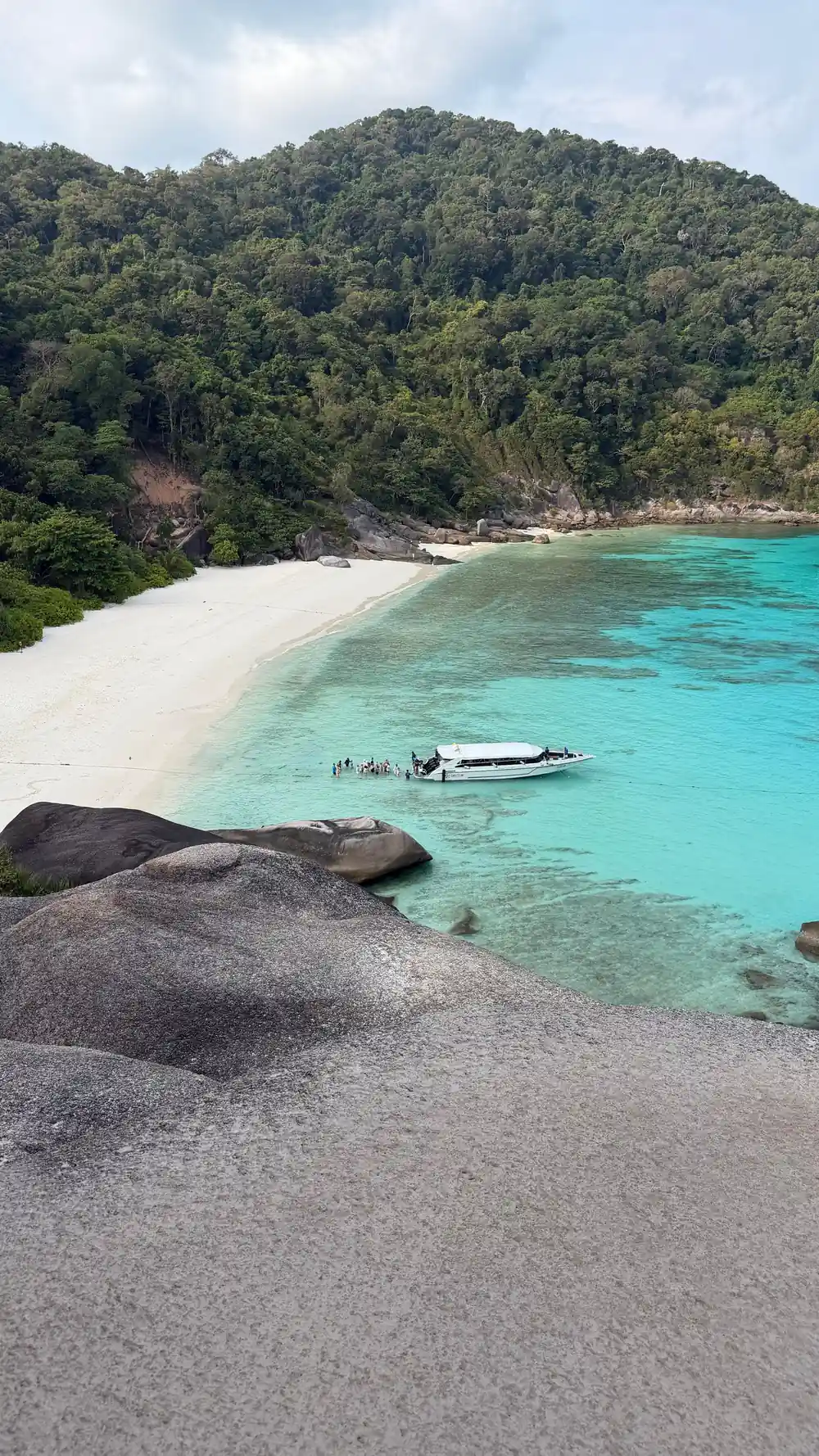
The closure window is firm each year, with the park reopening in early November. During the five-month shutdown, the seabed rests and marine life populations stabilize. When the park opens again, water clarity improves steadily through November and December, making early-season tours ideal for snorkeling at the three main stops: Donald Duck Bay, the Similan Islands themselves, and Ko Miang. Planning your early-bird speedboat tour from Phuket and Khao Lak requires booking well before May if you want to visit during the window when the park is accessible.
How the Monsoon Shapes Your Speedboat Crossing
The southwestern monsoon dominates the Andaman Sea from May through October, creating rough swells and strong currents that make the speedboat ride uncomfortably choppy and dangerous for swimmers. Waves can exceed 2 meters in height during peak monsoon months, and the crossing from the mainland to the islands takes longer and feels far more aggressive than in calm-season months. This hazardous condition is precisely why the park closes during these months and why your 13-hour tour only operates between November and April. Even in shoulder months like October and April, residual monsoon effects can cause minor delays or rougher passages than you would experience in mid-season.
From November through February, the sea state calms dramatically, and the speedboat journey becomes smooth and predictable. The passage takes roughly the same time, but passengers experience significantly less motion sickness and fatigue. March and April remain pleasant for the crossing, though seas begin to build slightly as pre-monsoon weather patterns emerge. If you prefer the gentlest speedboat ride and the safest conditions for families with children, book your tour between December and February, when both the Andaman Sea and Khao Lak weather are at their most favorable.
Water Clarity and Visibility by Month
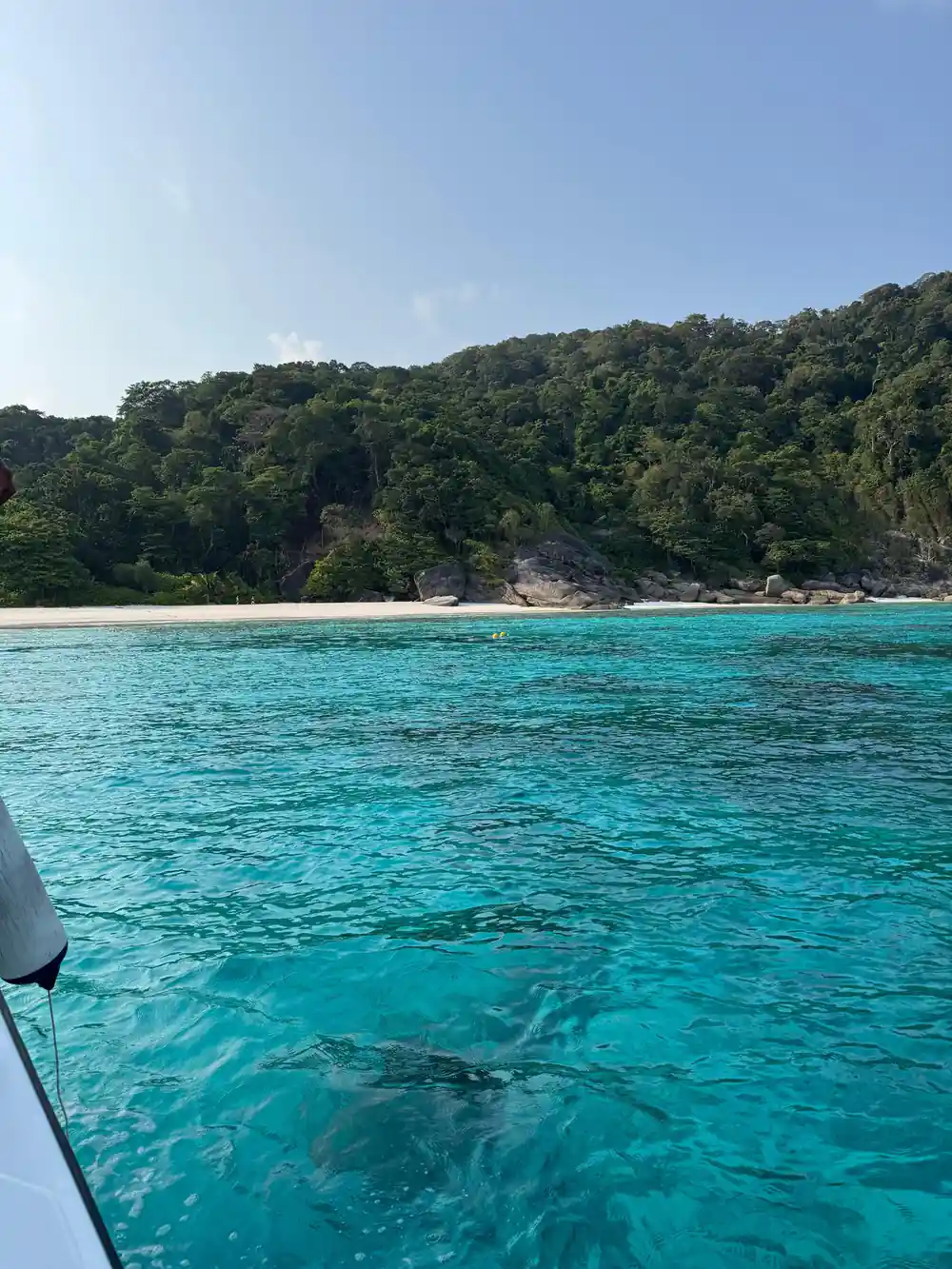
Underwater visibility at the Similan Islands peaks from November through February, when you can expect to see 20 to 30 meters ahead while snorkeling at all three stops on your tour. The water is clearest in January and February, when river runoff has stopped and sediment from the monsoon season has fully settled. During these prime months, coral detail is sharp, fish schools are easier to track, and the overall snorkeling experience justifies the higher tourist volume. March visibility remains excellent at 15 to 25 meters, though early-season November dips slightly to 12 to 18 meters as the park recovers from the closure.
April marks a visible decline in clarity to around 10 to 15 meters as plankton blooms and pre-monsoon currents stir sediment. While snorkeling is still worthwhile, the atmospheric conditions of April bring haze and occasional sudden weather changes that can cut tours short. If water clarity is your priority, avoid April and book instead between December and March. The contrast between peak-season transparency and shoulder-season murkiness is significant enough to affect photo quality and the pleasure of observing coral and marine life in detail.
Crowd Levels and the Tourist Season Across Open Months
The busiest months for the early-bird speedboat tour from Phuket and Khao Lak are December, January, and February, when European and Australian school holidays coincide with optimal weather. During these weeks, you may share the three main stops (Donald Duck Bay, the Similan Islands, and Ko Miang) with dozens of other boats and hundreds of other tourists. Mooring sites can become congested, and snorkeling zones feel crowded. If solitude or a quieter experience matters to you, these peak months are less ideal despite their superior water conditions.
November and March offer a better balance: weather remains excellent, visibility stays above 15 meters, yet crowds are markedly lighter. April brings fewer boats still, though at the cost of water clarity and weather reliability. November is particularly underrated, as the park has just reopened and many tourists have not yet planned their trips. If you want calm seas, clear water, and manageable crowds simultaneously, early November or mid-March is your sweet spot. Book well in advance regardless of month, as hotel transfers and speedboat capacity fill up, especially around holidays.
5
The park closes for 5 months yearly when monsoon storms make speedboat access unsafe.
Mainland Conditions in Khao Lak and Phuket Before the Monsoon
Khao Lak weather from November through April is consistently dry and warm, with daytime temperatures ranging from 28 to 32 degrees Celsius and very little rainfall. The town on the mainland is at its most pleasant during these months, with clear skies ideal for pre-tour breakfasts and post-tour relaxation. Your hotel pickup from either Phuket or Khao Lak will be smooth and predictable, with no weather-related delays to your van transfer to the speedboat dock. Humidity is moderate compared to the monsoon season, making the early morning start of your 13-hour tour far more comfortable.
By May, temperatures climb and humidity increases steadily, signaling the approach of the monsoon. Afternoon thunderstorms become routine in late April, and visibility on the roads to Khao Lak and Phuket deteriorates. This is why the park closure begins in May and why no tours run thereafter. If you book a tour in November, you arrive in Khao Lak to perfect conditions; if you wait until April, you risk encountering rain and humid, hazy skies on the day before or after your tour, even though the tour itself may still operate safely.
Turtle Sightings and Marine Life Through the Season
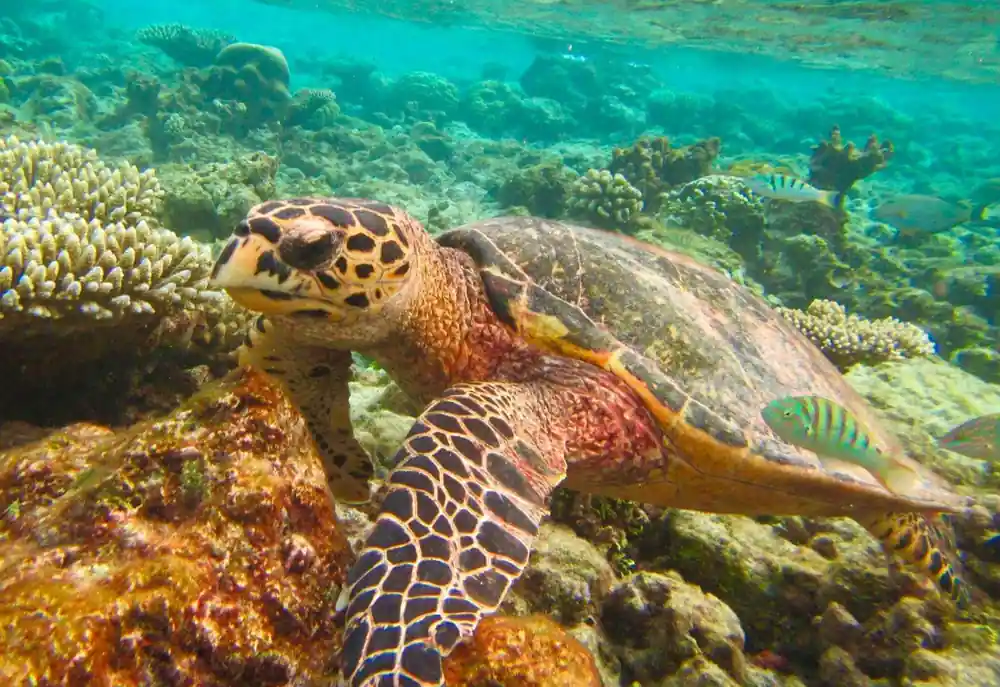
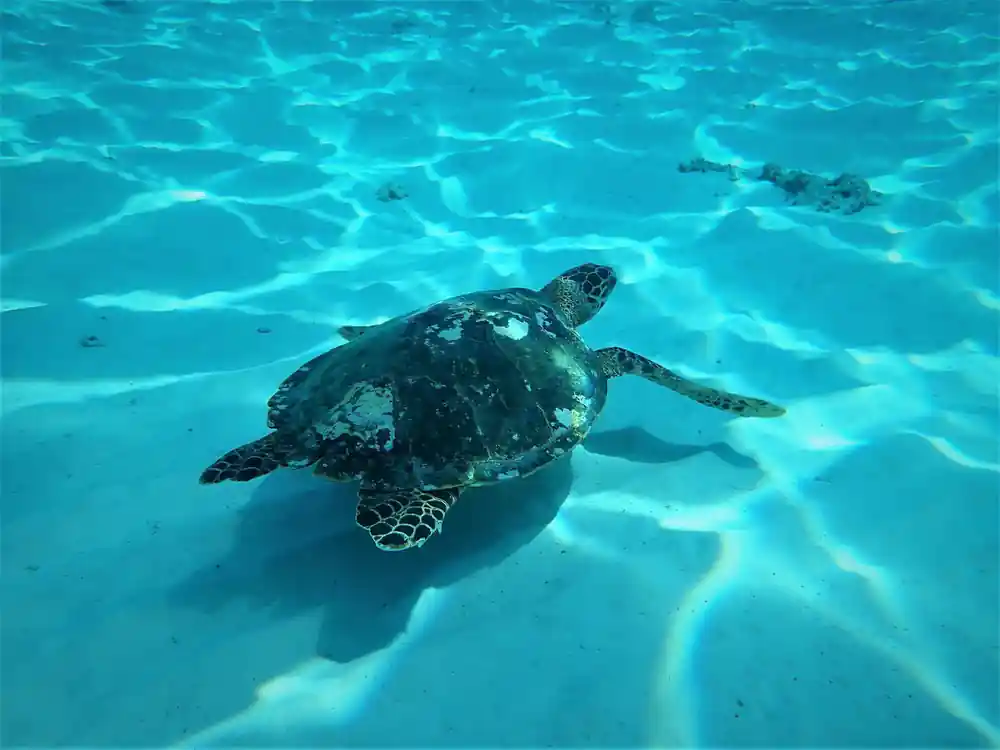
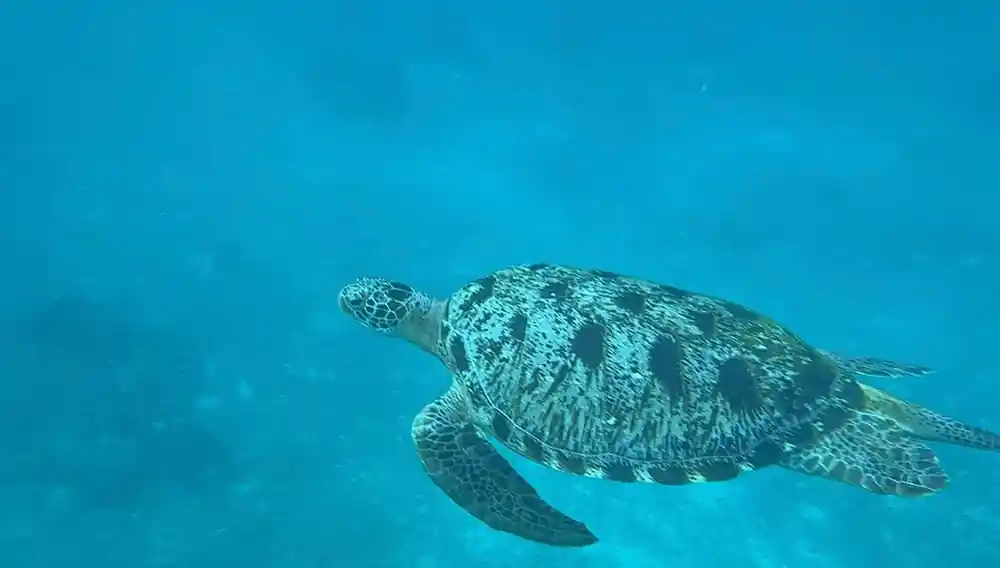
Sea turtles are present year-round at the Similan Islands and Ko Miang, but sighting frequency varies by month. January through March sees the most reliable turtle encounters, as nesting females and hatchlings are active in nearshore zones where your snorkeling stops occur. November turtles are also present but slightly less predictable as populations are still adjusting after the five-month closure. April encounters become less common as water temperature rises and turtles move to deeper, cooler water away from the three main tour stops.
Reef fish populations are robust throughout the open season, with no significant decline from November to April. Larger pelagic species like jacks and trevally are more common in the clearer months of January and February. If seeing sea turtles is a goal of your tour, prioritize booking between January and March, when your chances of at least one sighting during the day at Donald Duck Bay, the Similan Islands, or Ko Miang are substantially higher than in November or April.
How Tides Affect Island Access and Tour Logistics
Tidal ranges in the Similan Islands are moderate, typically 1 to 1.5 meters, but they do influence which beaches are accessible at each of the three stops on your tour. Higher tides limit beach landing areas at Ko Miang and the Similan Islands, occasionally forcing the tour operator to adjust the exact mooring location or reduce time on certain beaches. Lower tides expose wider sand stretches and make wading easier, but they can also make speedboat approach to shallow zones trickier for the captain. Your tour guide and boat crew account for daily tide schedules when planning the route, so you experience minimal disruption regardless of the month you book.
Between November and April, tide tables are predictable and documented, so experienced operators like the one running your 13-hour tour build the schedule around optimal tidal windows. The early-bird timing of your departure from Phuket and Khao Lak hotels is partly chosen to align with favorable tides at midday when you arrive at the islands. Monsoon closure means tides during May through October remain unobserved by the tourism industry, so no data informs timing during those months. Book your tour during the open season and you avoid tidal uncertainty entirely.
Peak season spots fill fast. Book now.
from US$123Reserve now & pay later
| Shoulder Months (Apr-May, Sep-Oct) | Peak Season (Nov-Mar) | Monsoon (May-Oct) | |
|---|---|---|---|
| Sea Conditions | Moderate swells | Calm waters | Rough, choppy |
| Water Visibility | Good, 15-20m | Excellent, 20-30m | Poor, 5-10m |
| Boat Traffic | Light crowds | Busy with tours | Minimal boats |
| Cancellation Risk | Low | Very low | High to very high |
| Speedboat Comfort | Moderately smooth | Very smooth | Bumpy ride |